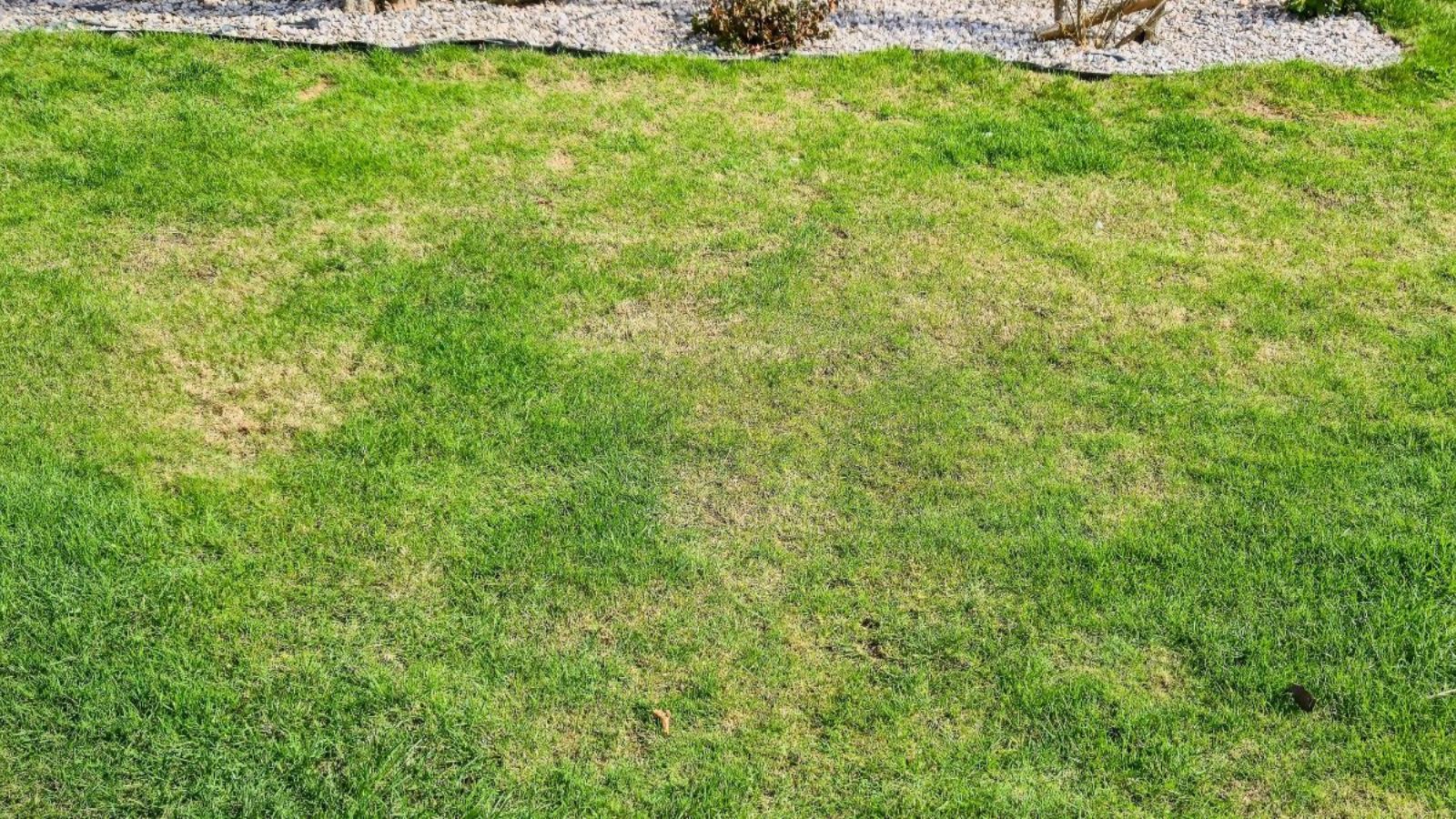
A winter-damaged sprinkler system often shows signs immediately when water flows through pipes again, such as pooling near valves, hissing pipes, or uneven spray. These indicators suggest freeze damage to irrigation systems, supply lines, or water service components, and should be addressed to prevent higher water bills or more serious leaks.
If standing water, broken heads, weak spray, sudden leaks, or valves that won’t open appear, the sprinkler system may need inspection. The following guide outlines the top five warning signs, common water supply issues, and steps to repair and maintain the system, including proper water pressure and flow considerations.
5 Signs Winter Damaged Your Sprinkler System
Cold temperatures can stress pipes, fittings, and valves, causing leaks and malfunctions. These five signs indicate potential winter damage to sprinkler systems, water lines, and water supply pipes.
Frozen or Burst Sprinkler Pipes
Ice expansion can crack pipes, leading to water running and pooling near the break. Wet or muddy patches on the lawn often indicate a broken supply line or lateral pipe. Listening for running water while the system is off helps detect hidden leaks.
Small cracks may increase water bills due to slow leaks, while larger breaks can flood lawns or create sinkholes. Mark the location, turn off the water to that zone, and schedule repairs, especially if the break is under concrete or deep in the soil.
Leaking or Flooded Zones
Standing water or unusual wet areas may signal broken pipes, cracked valves, or failed joints. Check flow rates in each zone, as unusually long run times can indicate water loss. If multiple heads in one zone spray poorly while the area floods, the main line or supply line may be compromised.
Tighten accessible fittings and replace damaged heads. For leaks under driveways or near structures, professional repair can prevent soil erosion and protect the water meter and water utility connection.
Malfunctioning Sprinkler Heads
Freeze damage can crack nozzles, pistons, and risers, causing spray patterns to be wrong or heads to sink below grade. Inspect every head for cracked plastic, missing caps, or uneven spray arcs. Walk each zone while it runs and note heads that drip, spray sideways, or don’t pop up.
Replace cracked or clogged nozzles and clean debris from filters. If many heads in a zone show the same issue, the problem may be pressure-related or a buried lateral line break. Keep a handful of common replacement nozzles and risers handy for quick fixes.
Inconsistent Water Pressure
Low or fluctuating pressure after winter often signals a leak, damaged pipe, or partially frozen valve. High pressure in one area can mean a blocked return or a broken pressure regulator. Measure pressure with a gauge at the irrigation connection while a zone runs to get baseline numbers.
Compare pressure to system specs: typical residential zones run 25–50 psi, depending on heads and layout. If pressure drops mid-cycle or varies between zones, isolate the zone and inspect valves, filters, and visible lines. Repairs may include fixing a leak, replacing a pressure regulator, or clearing a clogged filter.
Unresponsive Control Valves
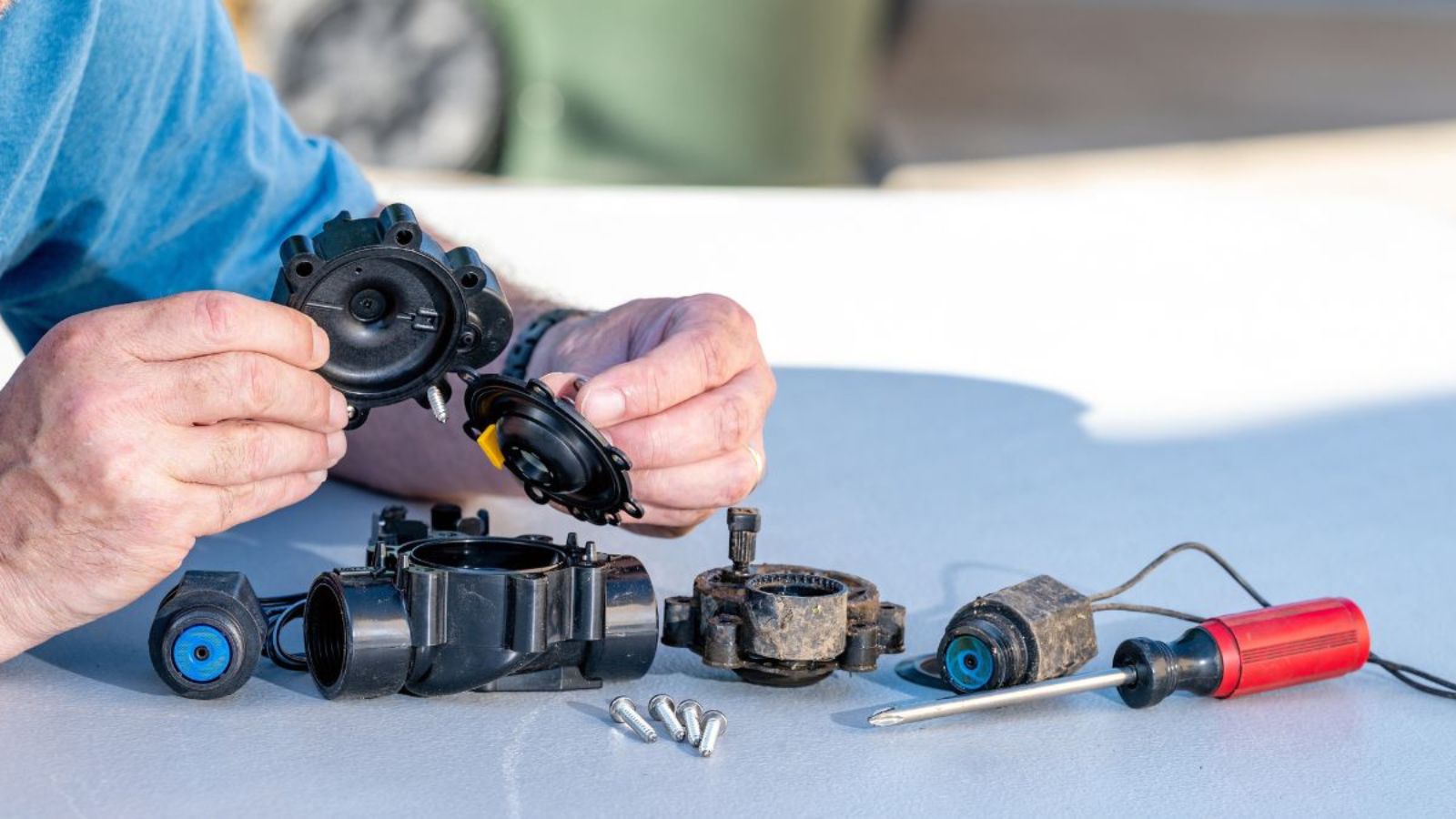
Freezing can crack or stick valves, causing zones to run continuously or fail to open. Check solenoids and diaphragms; if water continues after the controller signals off, the valve body may be damaged. Wiring and controllers should also be tested to prevent unnecessary water run or overuse.
Replace worn valves or diaphragms to maintain controlled flow through the irrigation system. Regular inspection protects water supply pipes and avoids additional water bills caused by uncontrolled flow.
How To Repair and Prevent Winter Sprinkler Damage
Repair steps, signs for professional help, and clear winter-prep actions will help the system run reliably. Focus on stopping leaks, testing zones, and removing trapped water, then use proper winterization to avoid repeat damage.
Quick Steps for Immediate Repairs
Run zones manually to detect wet spots, hissing pipes, or low pressure. Replace cracked or misaligned heads with correct flow rate parts. For broken lateral pipes, turn off the water, expose the damage, and splice in a new pipe with solvent weld or mechanical couplers.
For unresponsive solenoid valves, clean debris, test with a multimeter, and replace the solenoid or valve if necessary. After repairs, run each zone to confirm proper spray, pressure, and water distribution.
When to Call a Professional
Hire a licensed irrigation technician if leaks are under paved areas, near foundations, or require digging under concrete. Professionals have trenchless repair tools and know local codes for water lines and backflow devices.
Call a pro when multiple zones show low pressure or when valves and manifolds freeze and shatter. Also seek help if the controller or wiring seems damaged; a technician can test transformers, solenoids, and zone wiring safely.
Request a written estimate and ask about the warranty on parts and labor. Choose a contractor who shows an irrigation license, liability insurance, and positive local reviews. This reduces the risk of improper fixes that cause repeat failures.
Winterization Tips for Next Season
Blow out the system with compressed air at 40–80 PSI to remove standing water from pipes and heads. Keep pressure low and move zone valves one at a time; use a certified air compressor or hire a pro to avoid pipe damage.
Drain or remove backflow preventers and insulate aboveground components with foam covers and polyethylene wrap. Shut off and insulate the outdoor supply and bury exposed pipes deeper than the frost line when replacing or adding pipe.
Set the controller to “off” or “rain mode” and disconnect the power to the timer during freezing months. Mark shut-off locations and keep a simple repair kit with replacement heads, couplers, pipe, and a screwdriver on hand for quick repairs in the spring.
Pioneer Underground Lawn Sprinklers | Sprinkler System Repairs and Maintenance Omaha, NE
Contact Pioneer Underground Lawn Sprinklers to schedule a free estimate on a system install or to find out what you can do to make your existing system more efficient. We welcome commercial and residential clients. And remember, whether you need our services now… or later in the season, Your Healthy Lawn is Our Passion, and we are only a phone call away.