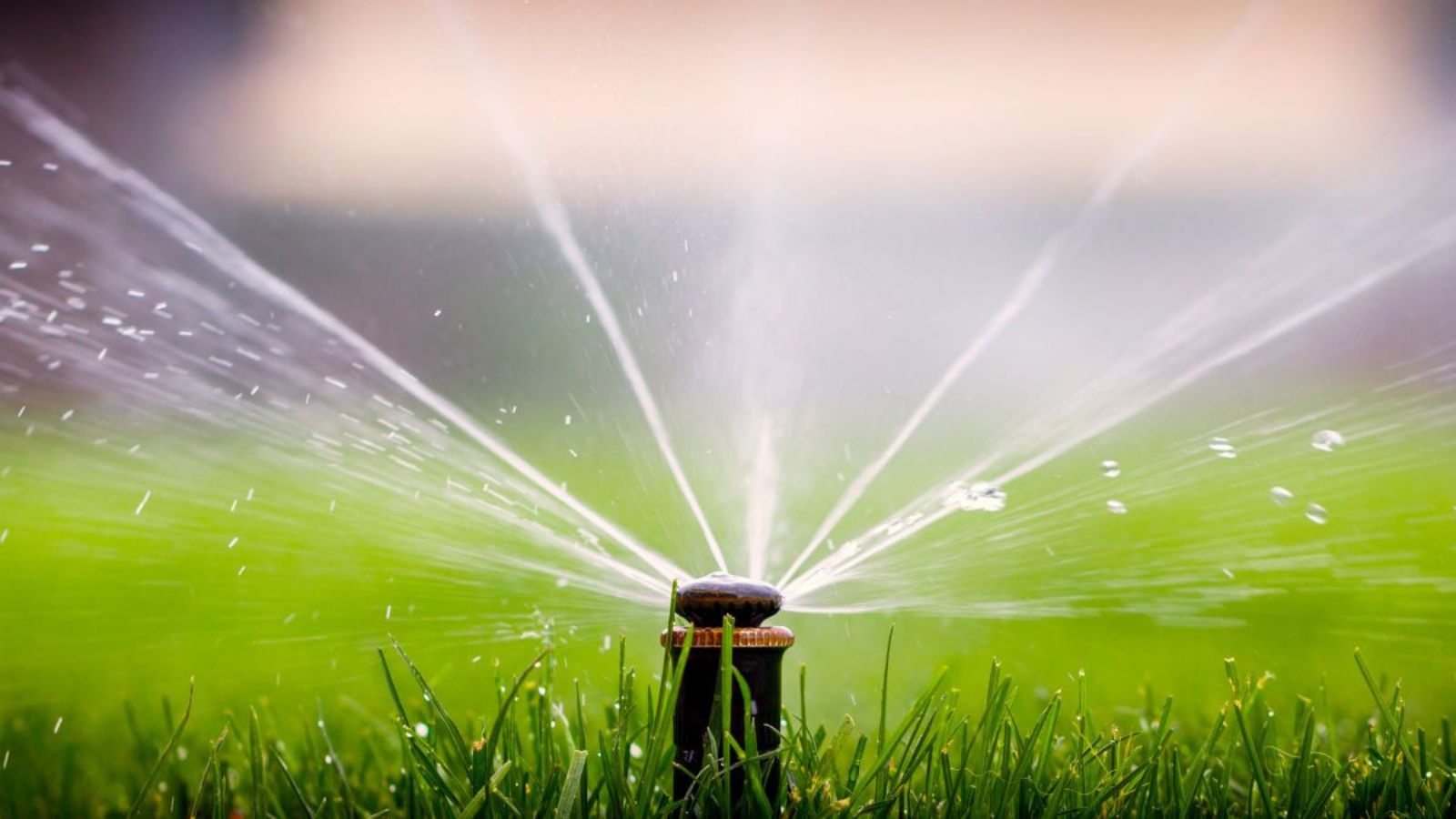
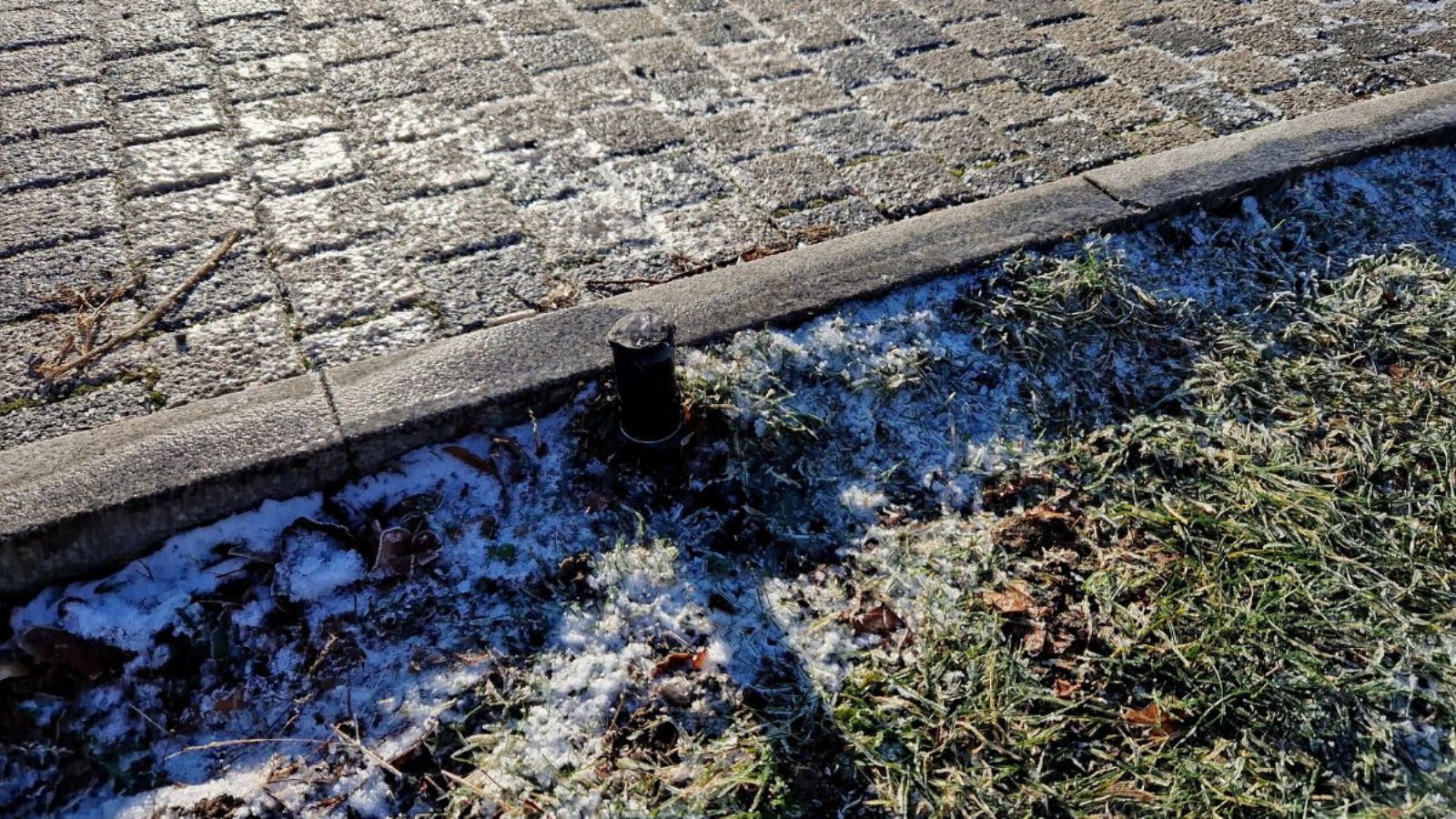
Spring is when lawns and landscapes begin to come back to life, but it’s also when many Omaha homeowners make watering mistakes that can lead to overwatering, uneven coverage, and stressed plants.
Seasonal changes in temperature, soil conditions, and plant growth make proper watering especially important. Addressing issues early helps conserve water, promote stronger root systems, and keep your irrigation system running efficiently.
This guide covers the most common spring watering mistakes and how to fix them to keep your lawn and landscape healthy.
Overwatering and Uneven Water Distribution
Too much water or inconsistent coverage is one of the most common issues homeowners face in the spring. Overwatering can lead to root rot and fungal growth, while uneven watering leaves parts of your lawn dry and others oversaturated.
Common causes and how to fix them
- Sprinklers running too long – Adjust run times based on plant type and soil conditions
- Misaligned sprinkler heads – Reposition heads to ensure proper coverage
- Poor soil absorption – Check soil moisture to confirm water is reaching the root zone
Signs of overwatering or uneven watering
- Yellowing grass or soft, soggy areas
- Mushrooms or fungal growth
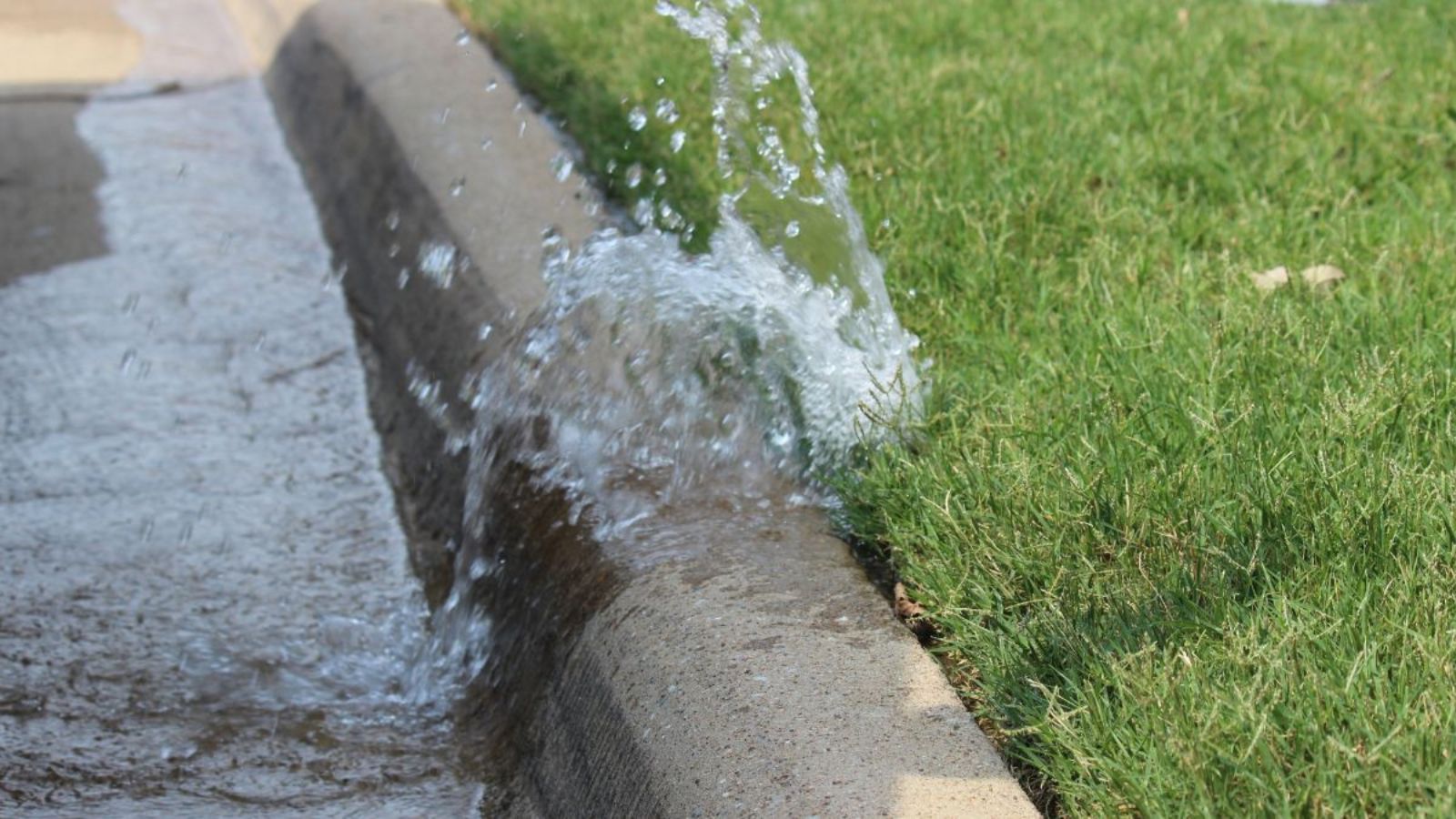
- Pooling water in low spots
- Patchy or inconsistent lawn growth
- Increased pest activity in damp areas
Catching these signs early helps prevent long-term damage and keeps your lawn growing evenly.
Incorrect Watering Schedules
Many homeowners rely on preset sprinkler schedules without adjusting for weather or seasonal changes. This can lead to wasted water and poor plant health.
Common scheduling mistakes
- Watering during the hottest part of the day
- Running systems even after rainfall
- Failing to adjust schedules as plants mature
How to fix it
- Water early in the morning to reduce evaporation
- Adjust schedules based on rainfall and temperature
- Water new plants more frequently and established lawns less often
Effects of poor scheduling
- Shallow root systems
- Increased evaporation and water loss
- Nutrient runoff
- Soil erosion on slopes
- Weed growth in dry or uneven areas
- Overall plant stress
Proper scheduling helps water reach deeper into the soil, encouraging stronger, more resilient roots.
Sprinkler and System Issues
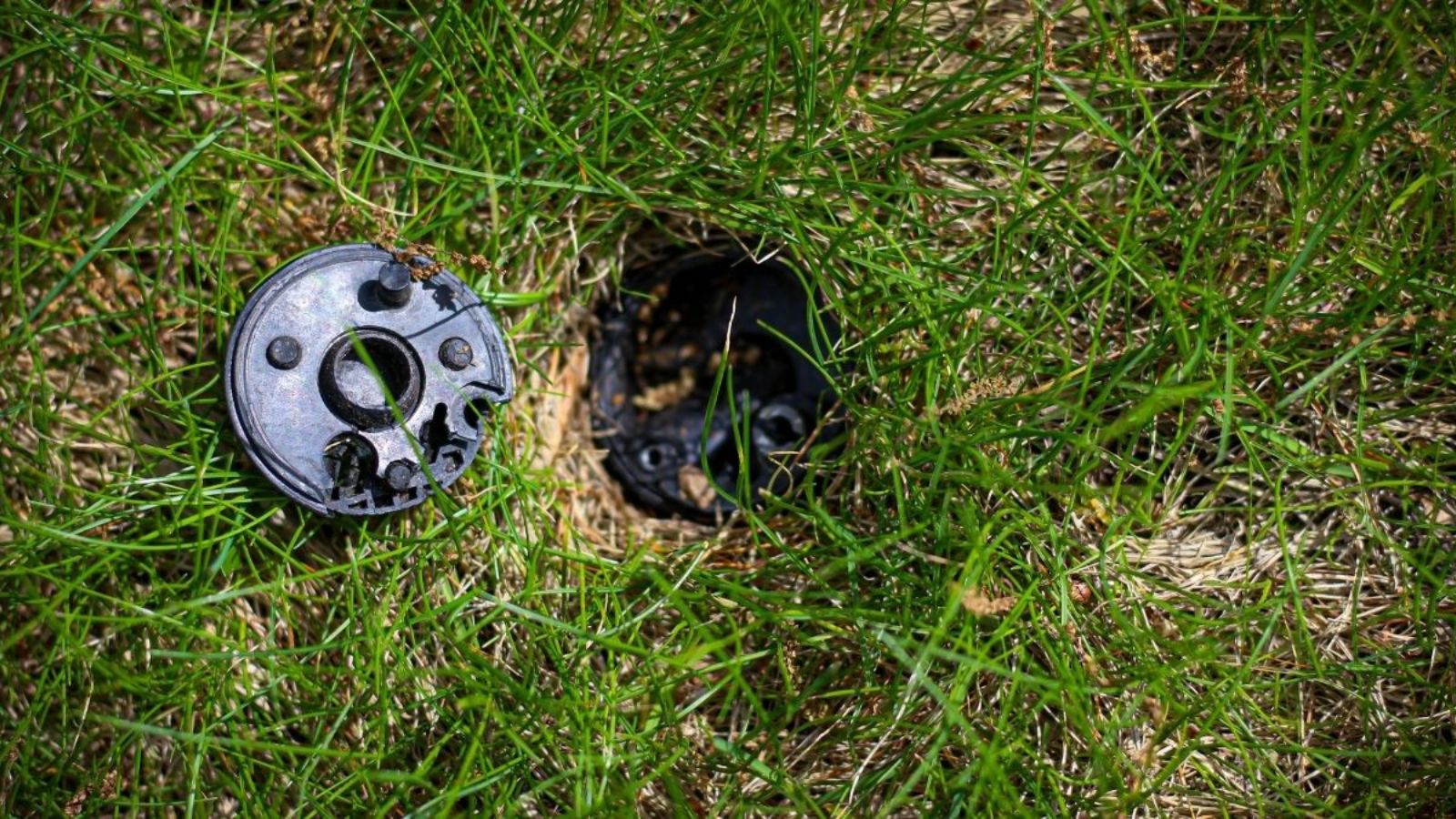
A poorly maintained irrigation system can quickly lead to watering problems. Even small issues like clogged nozzles or misaligned heads can result in uneven coverage and wasted water.
Common Sprinkler System Problems
| Symptom | Possible Cause | Fix |
|---|---|---|
| Uneven coverage | Misaligned heads | Adjust or replace |
| Weak spray | Clogged nozzle | Clean or replace |
| Pooling water | Broken head or leak | Repair or replace |
| Zones not activating | Controller or valve issue | Check settings |
Routine inspections at the start of spring help catch these issues early and keep your system operating efficiently.
Soil and Plant Care Mistakes
Watering needs vary depending on soil type and plant maturity. Ignoring these factors can lead to overwatering or underwatering.
Key factors to consider
- Sandy soil drains quickly and may need more frequent watering
- Clay soil retains moisture and requires less frequent watering
- New plants need shallow, consistent watering
- Established plants benefit from deeper, less frequent watering
Adding organic matter improves soil structure and moisture retention. Mulching also helps regulate soil temperature and reduce evaporation.
Matching your watering approach to your soil and plant types is key to long-term landscape health.
Signs Your Lawn May Already Be Getting Too Much or Too Little Water
Even with a system in place, it’s important to watch for signs that your watering habits need adjustment.
- Grass turning yellow or developing brown patches
- Dry, brittle soil or overly muddy areas
- Water pooling or running off instead of soaking in
- Uneven growth across different areas of the lawn
- Increased weeds or pest activity
If you notice these issues, it may be time to adjust your watering schedule or inspect your irrigation system.
When to Schedule a Sprinkler System Inspection
If your lawn isn’t responding to watering adjustments or your system hasn’t been checked recently, a professional inspection can help identify hidden issues.
Problems such as leaks, pressure imbalances, or inefficient zone coverage can waste water and prevent your lawn from getting the hydration it needs.
Frequently Asked Questions
How much water do lawns need in spring?
Lawns typically need about 1 inch of water per week in spring. Sandy soils may require additional watering because they drain quickly and retain less moisture.
When is the best time to water plants?
Early morning is ideal to reduce evaporation and ensure water reaches the roots. Watering at this time also helps prevent fungal diseases that develop when leaves stay wet overnight.
How can overwatering be prevented?
Monitoring soil moisture before watering helps prevent overwatering. Using a rain gauge or soil probe reveals whether absorbed water has reached the primary root zone or is pooling at the surface.
What are the signs of uneven watering?
Yellow patches, dry spots, or pooled water indicate uneven irrigation. Misaligned sprinkler heads or clogged nozzles often cause these specific coverage issues.
Can watering mistakes affect plant health?
Yes, incorrect watering can lead to root rot, fungal growth, and nutrient deficiencies. Overwatering lawns with high levels of organic matter may suffocate roots and reduce water and nutrient absorption.
Pioneer Underground Lawn Sprinklers | Sprinkler System Repairs and Maintenance Omaha, NE
Contact Pioneer Underground Lawn Sprinklers to schedule a free estimate on a system install or to find out what you can do to make your existing system more efficient. We welcome commercial and residential clients. And remember, whether you need our services now… or later in the season, Your Healthy Lawn is Our Passion, and we are only a phone call away.