Planning a landscape renovation often requires upgrading the irrigation system to keep plants healthy and reduce water waste. Knowing when to upgrade depends on signs like uneven watering, high water bills, or aging equipment that fails to cover the garden efficiently. Addressing these issues helps maintain a thriving outdoor space while saving time and money.
Working with professionals or using step-by-step guides can simplify the process and avoid costly mistakes. A well-designed watering system enhances the landscape’s appearance, cuts maintenance, and supports plant growth year-round.
Planning a Landscape Renovation: When and How to Upgrade Your Irrigation
Assessing Your Current Irrigation System
A careful review of the existing irrigation system reveals where it loses efficiency, how much water it uses, and any physical issues. Understanding these details helps decide what needs to be fixed or upgraded during a landscape renovation.
Identifying Inefficiencies
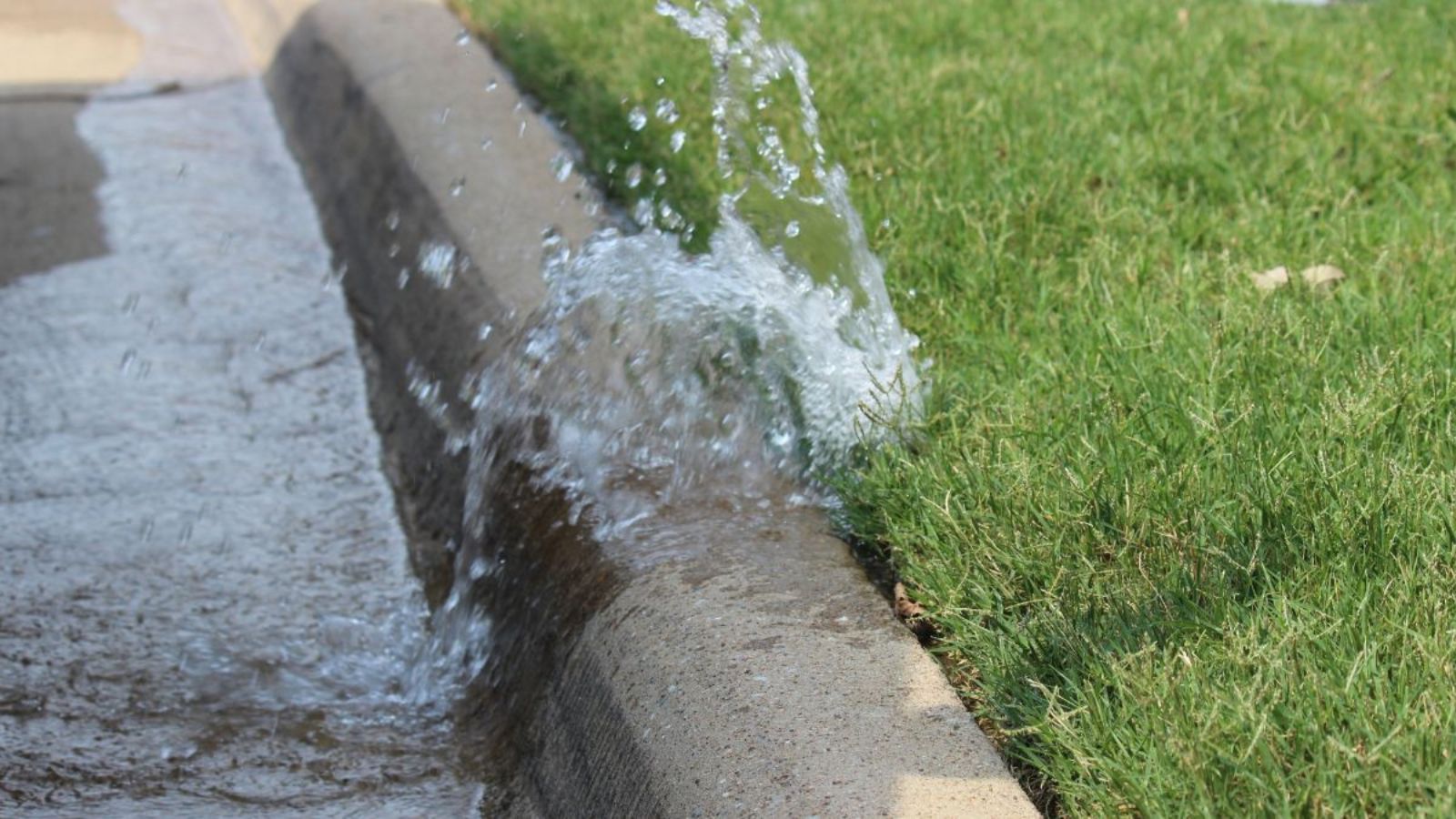
Look for coverage gaps where plants do not get water. Also, check if the system runs longer than necessary or waters during windy times. These habits waste water and hurt plant health. Adding shut-off valves can help isolate problem areas without interrupting the entire system.
A simple test involves running each zone and watching spray patterns. Fixing inefficiencies can cut water use and improve plant growth without adding new equipment.
Evaluating Water Usage
Tracking water use over time shows if the system uses more than needed. Check meter readings before and after watering.
High water bills or meter spikes during watering signal overuse. Comparing usage to the landscape’s normal needs can identify problems.
Smart irrigation controllers or timers can help track and adjust watering accurately. If usage is consistently above recommendations, it may be time to upgrade parts or technologies.
Inspecting for Damage and Wear
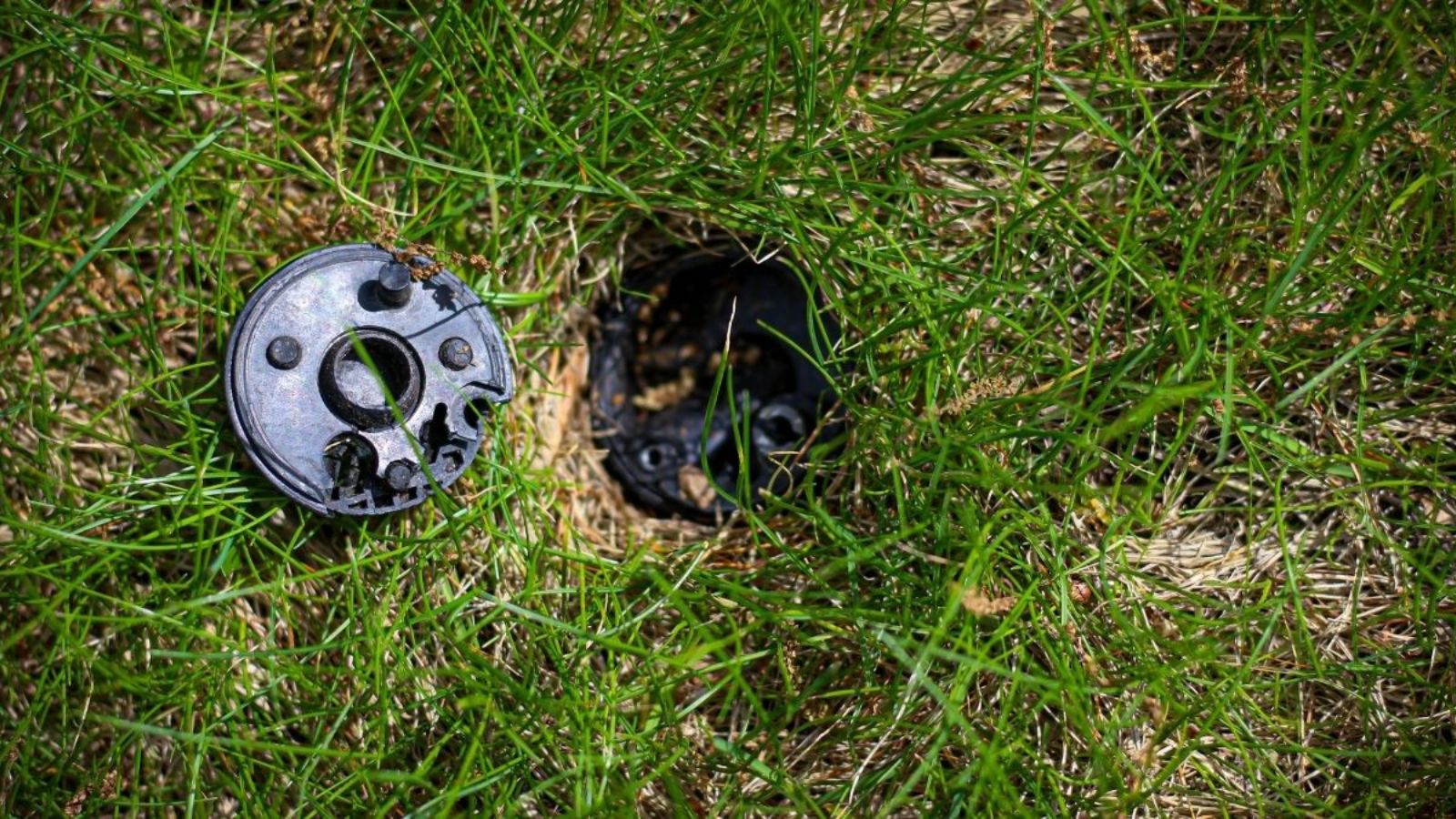
Physical damage, such as cracked pipes, broken sprinkler heads, or leaky valves, harms system performance. Inspect all components, including shut-off valves and pressure regulators.
Look for signs such as rust, corrosion, or wear on moving parts. Old or outdated equipment can fail to deliver water evenly.
Replacing worn parts restores system reliability and saves water. Regular inspection also reduces costly repairs in the future.
Timing Your Landscape Renovation
Choosing the right time for a landscape renovation can affect plant health, irrigation efficiency, and project costs. It depends on weather patterns, plant growth stages, and local rules that might impact construction work.
Seasonal Considerations
Fall, especially early to mid-October, is often the best season to start planning a landscape renovation. Cooler temperatures reduce plant stress and help new roots grow stronger before winter. Soil conditions tend to be ideal for digging and installing irrigation systems, as the ground is neither too wet nor too hard.
Spring is another good option, but it requires more careful timing to avoid frost and heavy rains. Summer tends to be too hot, which can stress plants and delay project work. Winter is generally not recommended unless the area has mild temperatures and dry conditions.
Coordinating with Planting Cycles
Renovations should align with the natural planting cycles of the landscape’s main plants. Installing drip irrigation systems just before or during planting maximizes water savings and supports healthy growth.
For lawns, seeding or sod installation works best when irrigation systems are ready to run consistently. Trees and shrubs grow better when they get water during their early growth phase. This usually happens after planting in early fall or spring.
Staggering irrigation upgrades with planting schedules prevents water shortages and prevents overwatering or underwatering problems during critical growth periods.
Planning Around Local Regulations
Many areas have rules about when outdoor construction and water use can happen. Some require permits or have seasonal restrictions on digging and irrigation installation.
Check local codes before scheduling work. Some municipalities limit water use during drought seasons or restrict outdoor projects in certain months to reduce environmental impact.
Failing to comply with these rules can delay the project and increase costs. Early communication with local authorities helps ensure the renovation happens smoothly within the allowed timeframe.
Upgrading to Modern Irrigation Solutions
Upgrading an irrigation system means adopting new tools and designs to save water and improve plant health. Using technology, rethinking the sprinkler layout, and picking efficient parts all play key roles. These changes can lead to better control, less waste, and a more balanced landscape.
Choosing Smart Irrigation Technologies
Smart irrigation technology uses sensors and automation to water plants only when needed. Controllers can adjust watering schedules based on weather or soil moisture levels. This helps avoid overwatering and reduces water bills. Some features to look for include:
- Weather sensors that pause watering during rain
- Soil moisture sensors measuring actual ground wetness
- Wi-Fi-enabled controllers for remote schedule adjustments
Smart systems adapt to changing conditions, saving water and time. They also reduce the risk of watering during windy or hot parts of the day, which decreases evaporation.
Improving Irrigation Layout and Design
A well-planned irrigation layout delivers water evenly to all parts of a landscape. It avoids overlap and misses that waste water or leaves areas dry. Professionals recommend mapping plant types and grouping those with similar water needs together. Key design steps include:
- Placing sprinklers or drip irrigation systems based on plant location
- Angling sprinkler heads to avoid watering sidewalks or driveways
- Using zoning to control watering in different sections
Proper design reduces runoff and keeps plants healthier. It also makes future maintenance easier and prevents common problems, like leaks or clogged heads.
Selecting Water-Efficient Components
Water-efficient irrigation parts help reduce waste without sacrificing coverage. Low-flow nozzles, drip irrigation lines, and pressure regulators can all improve system performance. Important components are:
| Component | Benefit |
|---|---|
| Low-flow nozzles | Save water by reducing output |
| Drip irrigation lines | Deliver water directly to the roots |
| Pressure regulators | Keep water pressure steady |
Choosing the right mix depends on plant types and site conditions. Upgrading these parts can lower water use and support sustainable landscaping efforts.
Implementing and Maintaining the Upgraded System
Careful installation, thorough system testing, and regular maintenance are key to ensuring the new irrigation system works properly and lasts. Each step requires attention to detail to avoid common issues, such as leaks, poor coverage, or uneven watering.
Installation Best Practices
Proper installation starts with following the design plan exactly. Plumbers or irrigation experts should place pipes and sprinkler heads to avoid overlap and ensure full coverage. Using quality materials like durable pipes and reliable valves reduces future repairs.
Install the control system in an accessible location. Controllers should be protected from the weather but easy to reach for adjustments. Wiring must be laid carefully to avoid damage from garden tools or pests.
Marking zones clearly helps with later maintenance. Each zone should have its own valve and controller setting. Installing rain sensors or soil moisture sensors during setup improves water use efficiency by preventing unnecessary watering.
System Testing and Troubleshooting
After installation, a full test run is necessary to check for leaks, blocked nozzles, and uneven coverage. Each zone should activate separately to observe water distribution over the area.
Look for signs of overspray onto sidewalks or driveways and adjust heads as needed. Uneven wet and dry spots indicate a problem with pressure or nozzle type. Water pressure should meet system specifications to avoid poor sprinkler function.
Troubleshoot electrical connections if zones don’t activate. Check for blown fuses or loose wiring at the controller and valves. Testing during different times of the day helps confirm the system responds correctly to programmed settings.
Establishing a Maintenance Schedule
Regular maintenance keeps the system running efficiently through every season. Monthly checks of sprinkler heads ensure they are not clogged or damaged. Cleaning nozzles maintains the spray pattern and coverage.
Valve assemblies should be inspected for leaks or corrosion twice a year. Controllers need battery replacement and software updates if applicable. Sensors, such as rain or soil sensors, should be cleaned and tested quarterly.
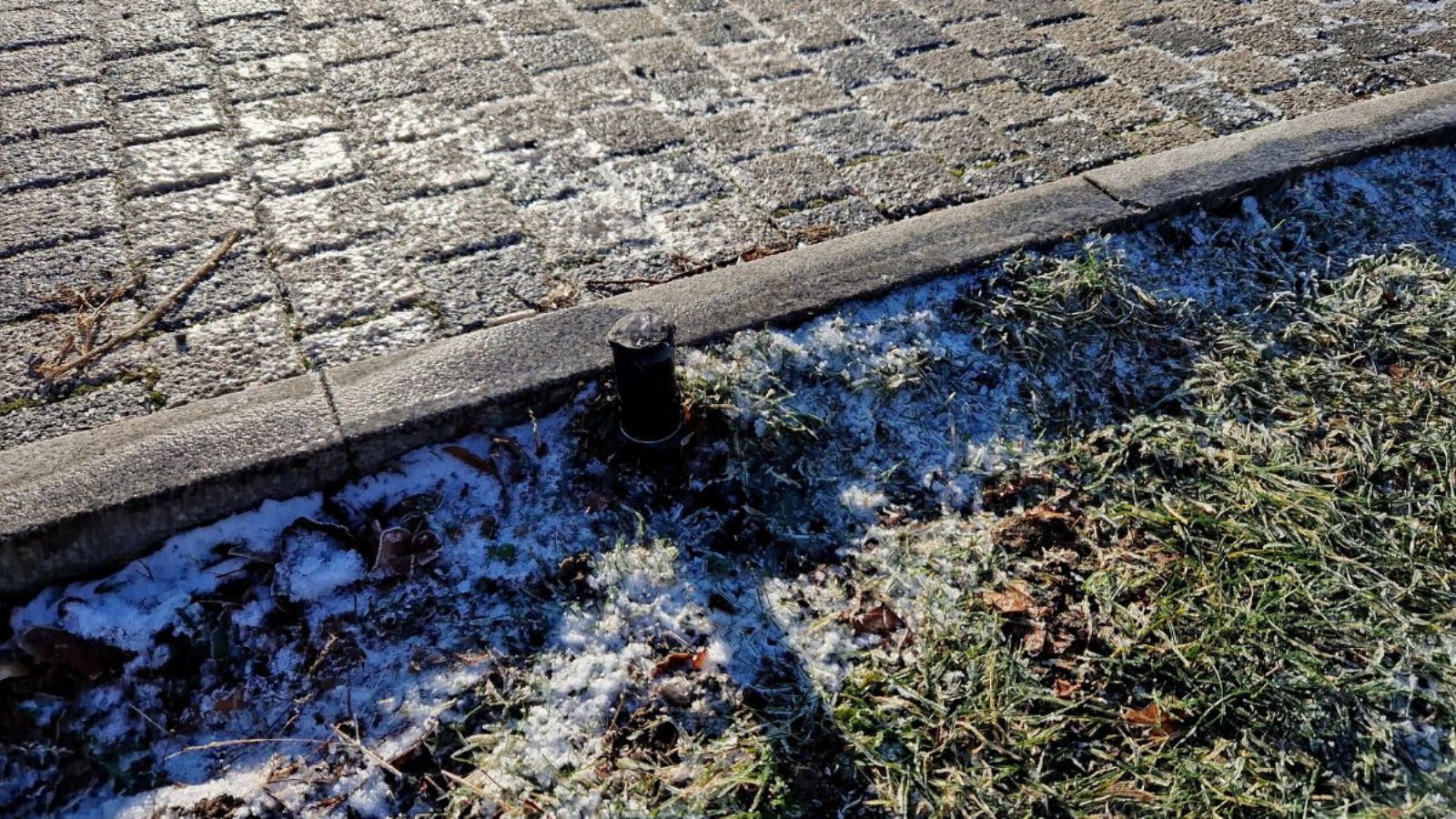
Before winter, prepare the system by draining pipes or using blowouts to prevent freeze damage. Scheduling these tasks ahead of time reduces emergency repairs and extends the life of the irrigation system.
Pioneer Underground Lawn Sprinklers | Sprinkler System Repairs and Maintenance Omaha, NE
Contact Pioneer Underground Lawn Sprinklers to schedule a free estimate on a system install or to find out what you can do to make your existing system more efficient. We welcome commercial and residential clients. And remember, whether you need our services now… or later in the season, Your Healthy Lawn is Our Passion, and we are only a phone call away.