Winter water management is less about active watering and more about proper system shutdown, protection, and planning during the colder months. For properties that rely on lawn sprinklers in Omaha, this typically means fully winterizing and turning systems off to prevent freezing and damage. Smart off-season planning helps protect irrigation infrastructure, conserve water, and support healthier landscapes once spring arrives.
The Importance of Winter Water Management
By adjusting controllers, inspecting components, and addressing potential issues before freezing temperatures set in, irrigation systems remain efficient and reliable throughout the off-season.
Common Off-Season Water Management Challenges
Even when sprinkler systems are winterized and shut down, several challenges can affect irrigation systems and landscape health during winter:
- Frozen ground limits absorption and stresses plant root systems
- Dry winter winds can pull moisture from soil and plants
- Inconsistent snowfall reduces natural insulation and moisture
- Unprotected irrigation lines may freeze or crack
- Undetected leaks or inefficiencies go unnoticed until spring
These challenges highlight why seasonal system checks and professional sprinkler winterization services in Omaha play a major role in preventing repairs and inefficiencies.
Benefits of Off-Season Irrigation Planning
Proper winter planning protects both the landscape and the irrigation system:
- Protects irrigation lines, valves, and components from freeze damage
- Reduces water waste by identifying leaks or inefficiencies early
- Ensures controllers and zones are properly shut down and programmed for spring startup
- Preserves soil structure and root health through proactive landscape care
- Prevents costly repairs and emergency fixes in spring
- Extends the lifespan of the irrigation system
Risks of Neglecting Winter Irrigation Planning
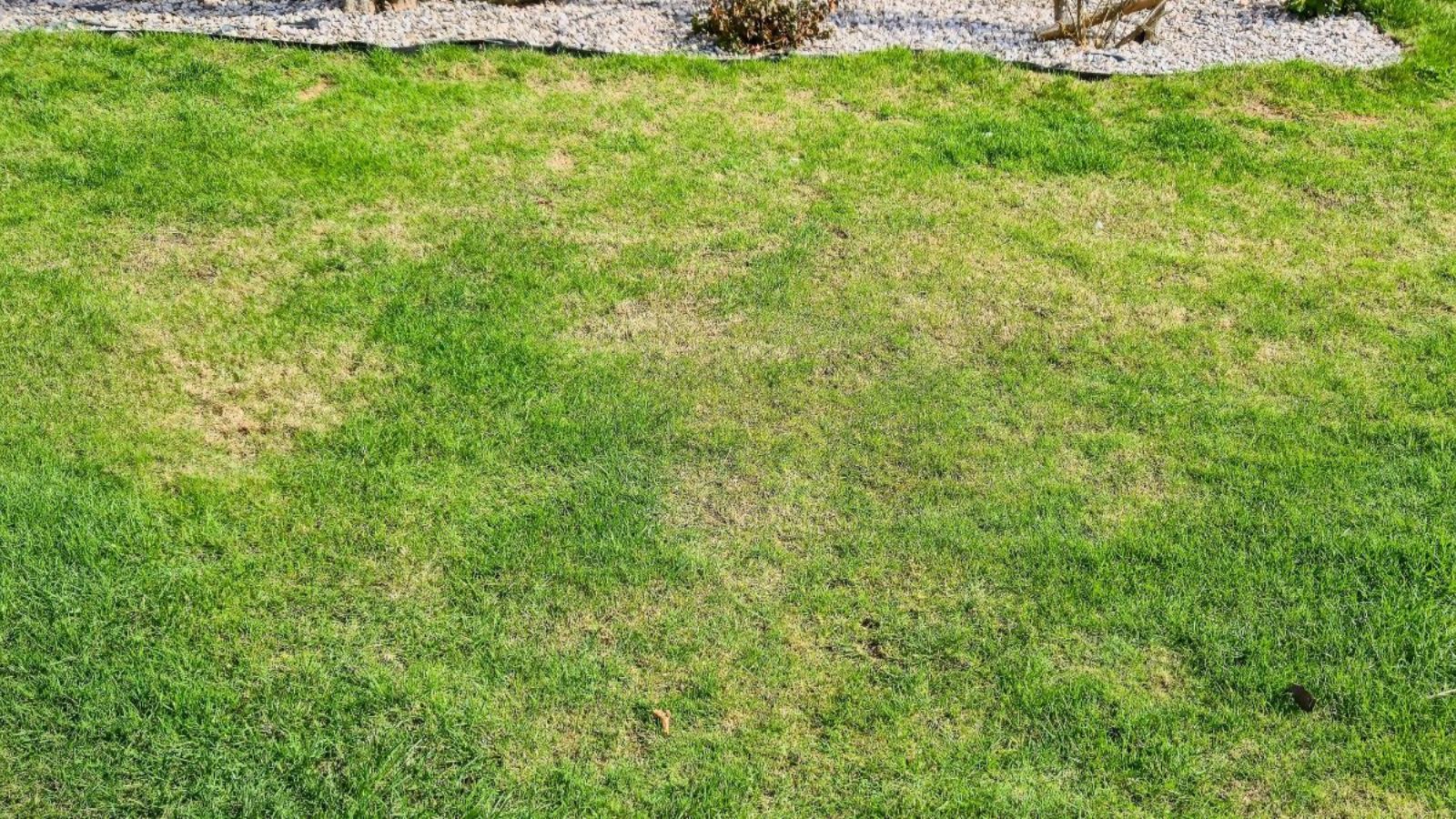
Ignoring irrigation systems during winter can lead to compacted soil, stressed roots, and hidden system damage. Dry winter conditions combined with frozen ground can weaken plant roots, making landscapes slower to recover in spring. Over time, this stress can reduce plant vigor and increase the need for replanting or restoration.
Failure to properly winterize irrigation systems also increases the risk of cracked pipes, damaged valves, and leaks that remain unnoticed until the system is turned back on. These issues lead to higher repair costs, wasted water, and avoidable environmental impact. Poor winter planning can also delay spring startup and disrupt healthy landscape growth.
Smart Irrigation Strategies for the Off-Season
Maintaining a healthy landscape through winter requires thoughtful preparation rather than active watering. Off-season irrigation strategies focus on protecting equipment, preserving soil conditions, and preparing systems for efficient operation when temperatures rise.
Adjusting Irrigation Systems for Winter Shutdown
As temperatures drop, irrigation systems should be properly shut down and winterized. This includes draining water from lines, protecting exposed components, and ensuring controllers are set to off. Skipping this step or delaying winterization can leave systems vulnerable to freezing and damage.
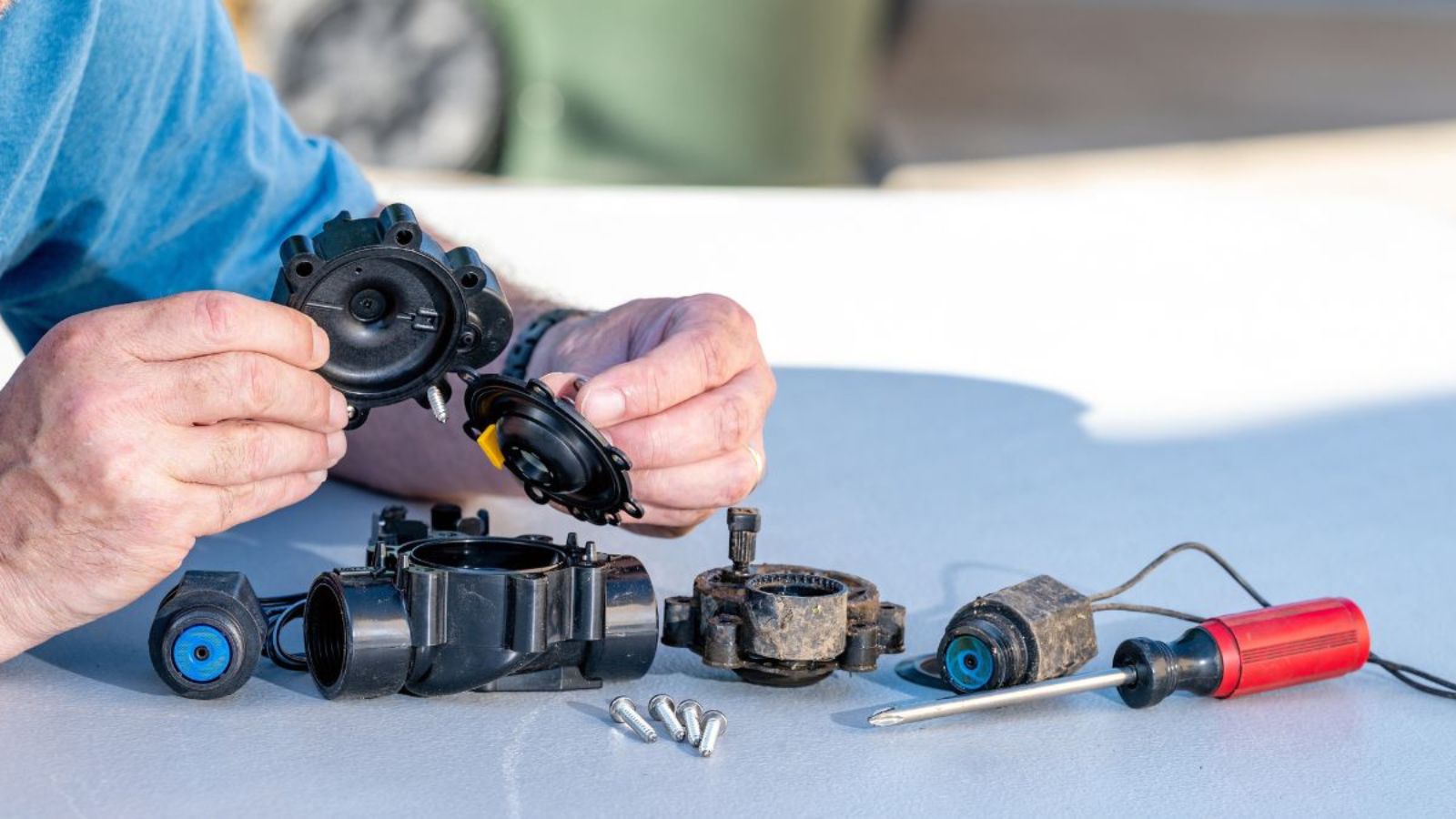
A professional inspection during shutdown ensures all zones are cleared properly and identifies worn or damaged components before they become larger problems in the spring.
Leveraging Technology for Efficient Spring Performance
Smart irrigation technology plays an important role even when systems are turned off. Weather-based controllers, zone programming, and system mapping help ensure irrigation resumes efficiently in spring. Off-season inspections allow settings to be reviewed and optimized so water is applied accurately once the system is reactivated.
By addressing programming, sensor placement, and zone coverage during the off-season, irrigation systems operate more effectively when watering begins again.
Soil Health Considerations in Cold Months
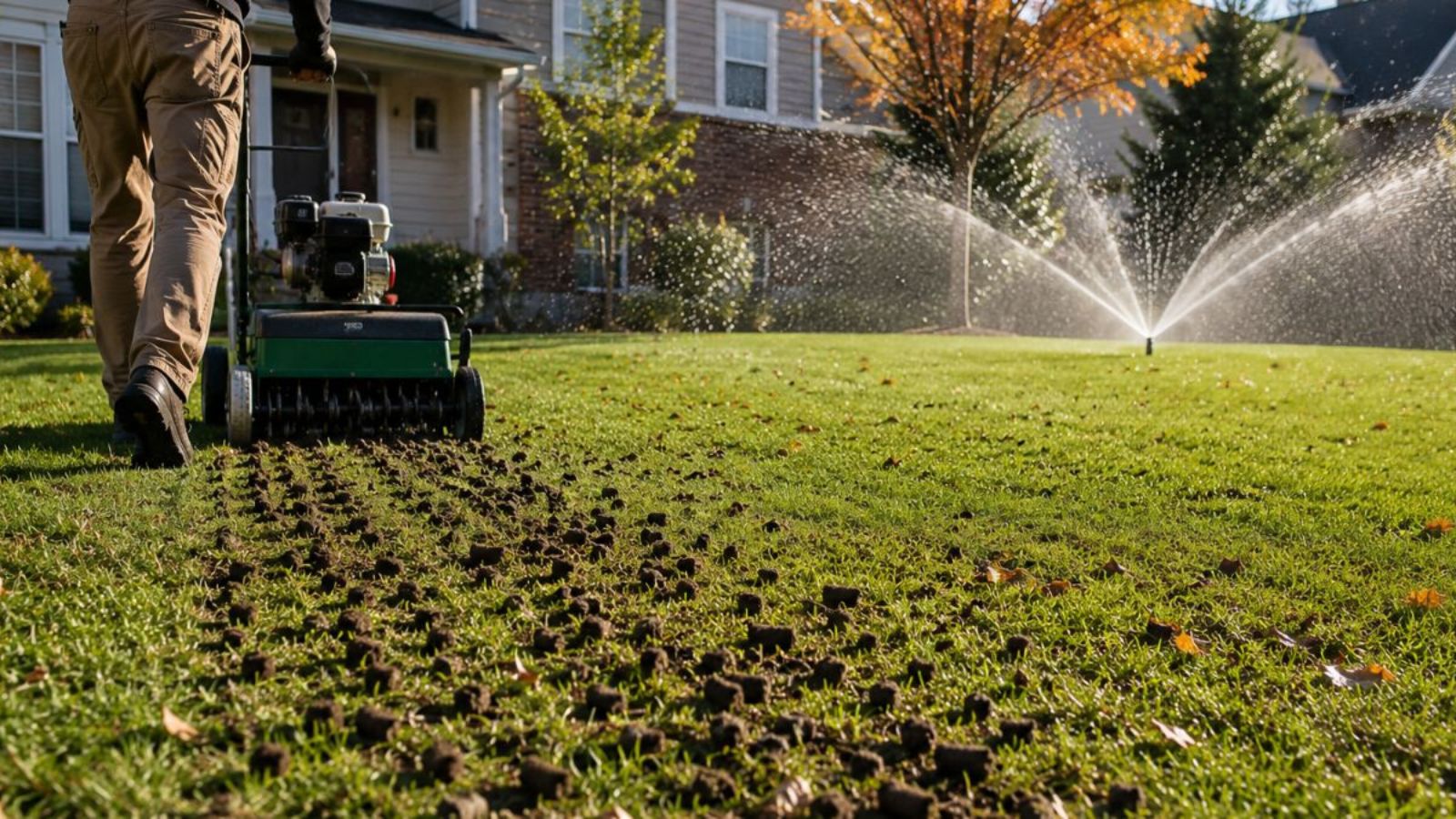
While sprinklers remain off, soil health still matters during winter. Maintaining proper drainage and soil structure helps prevent compaction and root stress. Mulch acts as insulation, protecting roots from extreme temperature changes and moisture loss caused by winter winds. Aeration completed before winter improves drainage and supports healthier soil conditions heading into spring.
Protecting Sensitive Plants During Winter
Certain plants, including evergreens and shallow-rooted species, are more vulnerable to winter stress caused by wind, sun, and temperature fluctuations. While irrigation systems are shut down, monitoring landscape conditions helps identify signs of winter injury or dehydration early. Proper preparation in the fall and attention during the winter months reduce plant stress and support healthier growth once temperatures warm.
Long-Term Landscape Benefits Of Year-Round Planning
Year-round irrigation planning ensures landscapes remain protected during winter and transition smoothly into spring. Systems that are properly winterized and maintained experience fewer failures, recover faster, and operate more efficiently over time.
Supporting Root Health Through Winter
Protecting soil conditions and preventing extreme dryness during winter supports root survival. Healthy roots are better prepared to absorb water and nutrients when irrigation resumes. Avoiding winter system damage also prevents uneven watering patterns that can stress roots during early spring growth.
Reducing Spring Recovery Time
Landscapes supported by proper winter planning recover faster in spring. Systems can be activated on schedule without emergency repairs, allowing consistent water delivery when plants need it most. This reduces stress on turf and plants and limits the need for corrective treatments.
Preventing Winter Desiccation
Cold winds and sun exposure can dry soil and plant tissue during winter. While sprinklers remain off, proactive planning and landscape protection help limit moisture loss. Preserving soil structure and insulating root zones reduces winter damage and supports healthier plant recovery.
Schedule Your Winter Sprinkler Service with Pioneer Underground Lawn Sprinklers Today
Don’t let freezing temperatures damage your irrigation lines or sprinkler components. Schedule a professional inspection and sprinkler winterization in Omaha to keep your system safe during the cold months and avoid costly spring repairs.
Contact Pioneer Underground Lawn Sprinklers to schedule a free estimate on a system install or to find out what you can do to make your existing system more efficient.