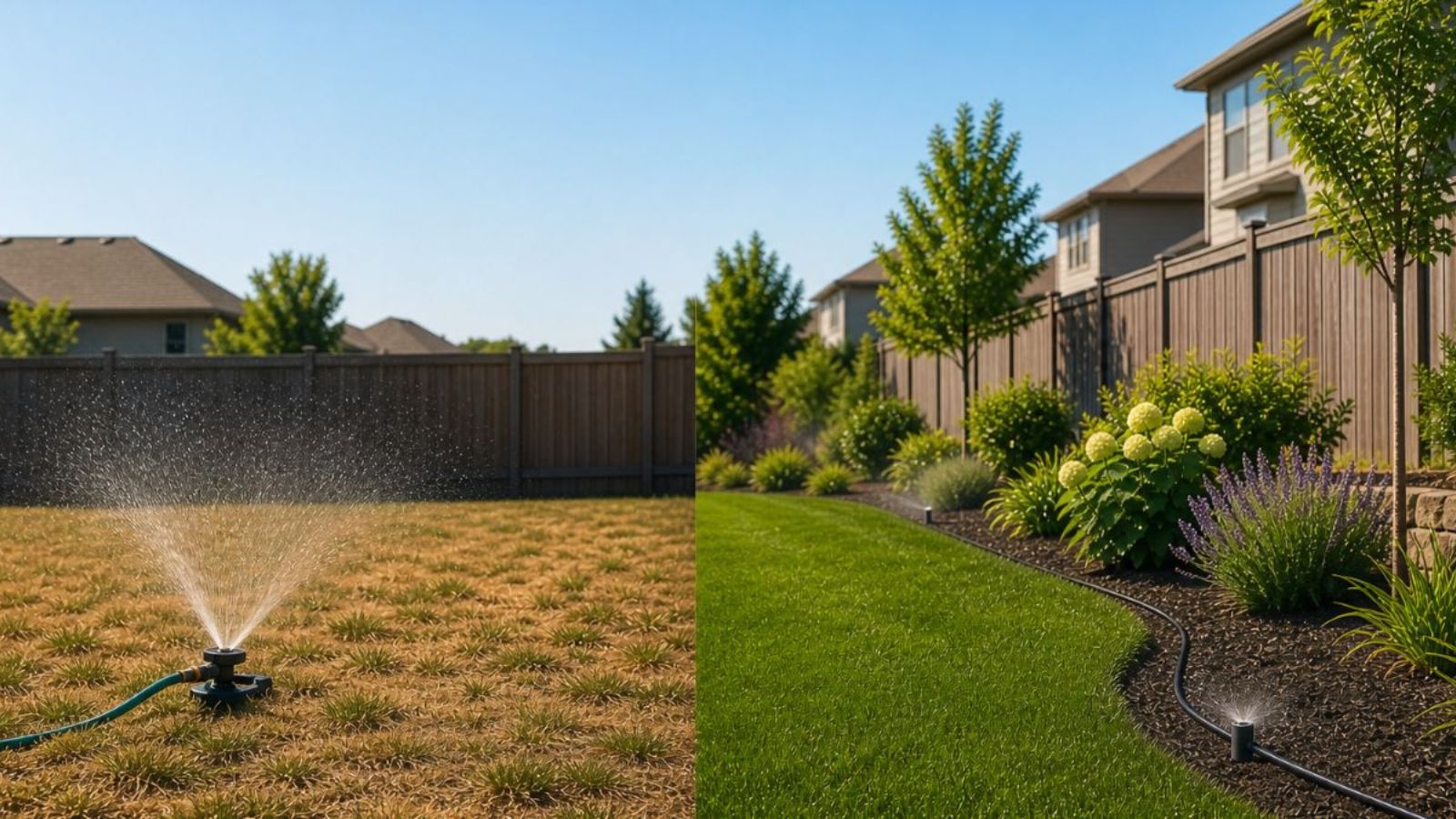
A brown lawn in summer does not always mean your grass is dying. During Omaha’s hottest months, many lawns begin showing signs of stress from heat, dry conditions, and inconsistent moisture levels. Grass may fade in color, develop dry patches, or stop growing as quickly as it normally does.
In some cases, the lawn is simply going dormant to conserve moisture until temperatures cool down. However, certain warning signs can point to more serious problems involving irrigation performance, drainage issues, or damaged turf roots.
Understanding the difference between normal summer stress and permanent lawn damage can help you decide when simple watering adjustments are enough and when it may be time to investigate deeper issues affecting your yard.
Why Lawns Turn Brown During Omaha Summers
Summer heat places a lot of pressure on grass. Soil dries out faster, moisture evaporates more quickly, and lawns have a harder time recovering when temperatures stay high for days at a time.
Even healthy turf can begin showing signs of stress during prolonged hot weather.
Several factors commonly contribute to browning lawns, including:
- Extreme heat and drought conditions
- Uneven sprinkler coverage
- Dry or compacted soil
- Irrigation leaks or pressure problems
- Shallow watering habits
- Poor drainage in certain areas of the yard
Sometimes the issue is temporary. Other times, the lawn may be dealing with deeper turf damage beneath the surface.
Signs Your Lawn May Only Be Experiencing Summer Stress
Grass naturally protects itself during hot, dry conditions by slowing growth and conserving moisture. This process is known as dormancy.
A brown lawn in summer may simply be dormant rather than dead, especially during extended dry periods.
Common signs of temporary summer stress include:
- Grass turning tan or light brown across larger areas
- Slower growth than usual
- Footprints remaining visible after walking on the lawn
- Grass blades curling inward
- Dry soil several inches below the surface
Even if the lawn looks unhealthy, the roots may still be alive underneath. Once temperatures cool and moisture levels improve, dormant grass often begins recovering gradually.
How To Tell If Lawn Damage May Be Permanent
Some lawns do not recover after severe heat stress. When turf roots die completely, reseeding or repair work may become necessary. Signs of more serious lawn damage include:
Grass Pulls Out Easily
If grass lifts from the soil without resistance, the root system may already be dead.
Brown Areas Stay Isolated
Dormancy usually affects larger sections more evenly. Small scattered patches may point to drainage issues, disease, or sprinkler coverage problems.
The Lawn Does Not Improve After Watering
Dormant grass often responds after watering returns consistently. If certain areas remain brittle and lifeless, permanent damage may be developing.
Soil Feels Extremely Hard
Compacted soil can prevent moisture from reaching deeper roots, especially during periods of intense heat.
Why Irrigation Problems Often Cause Brown Spots
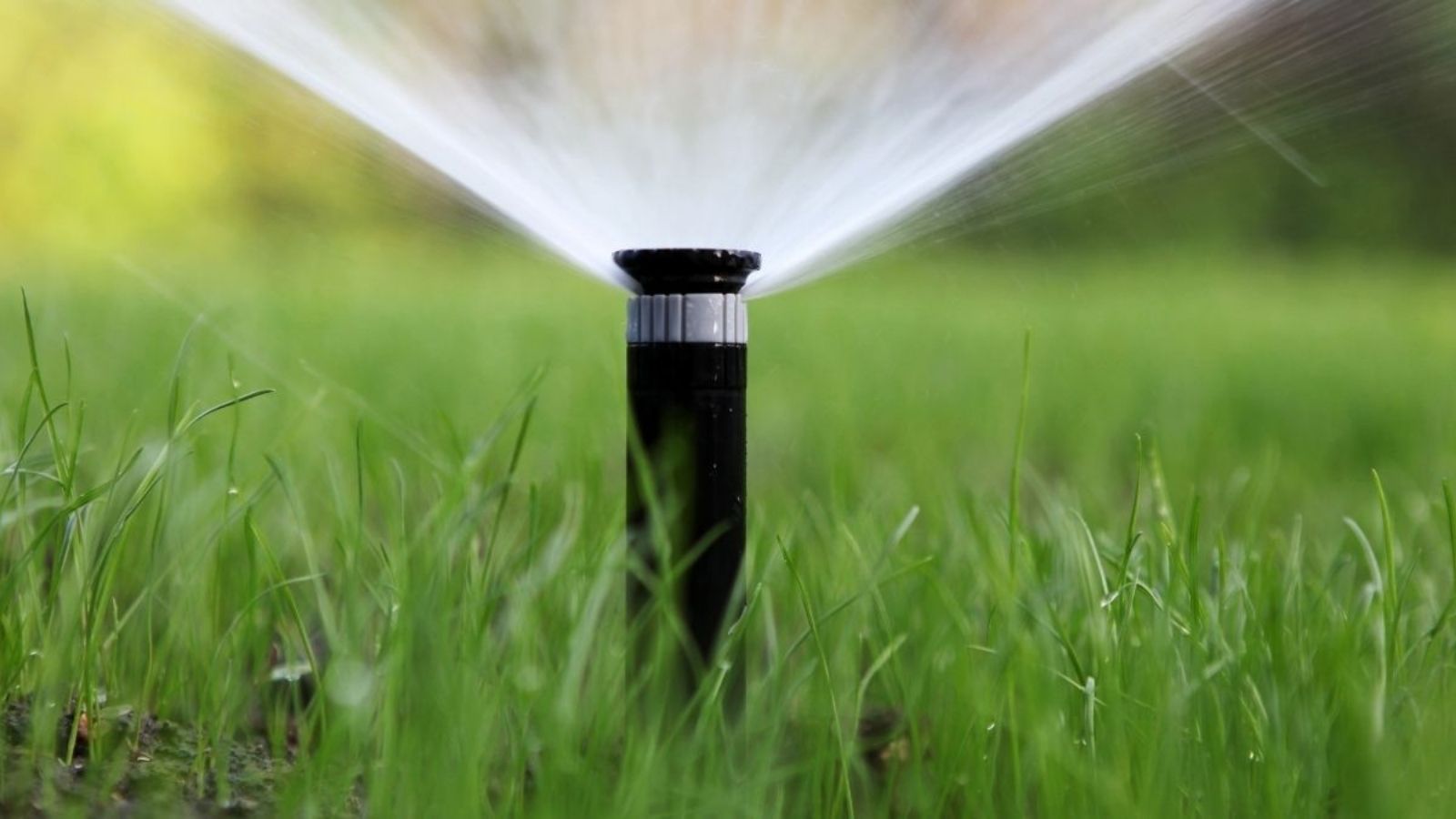
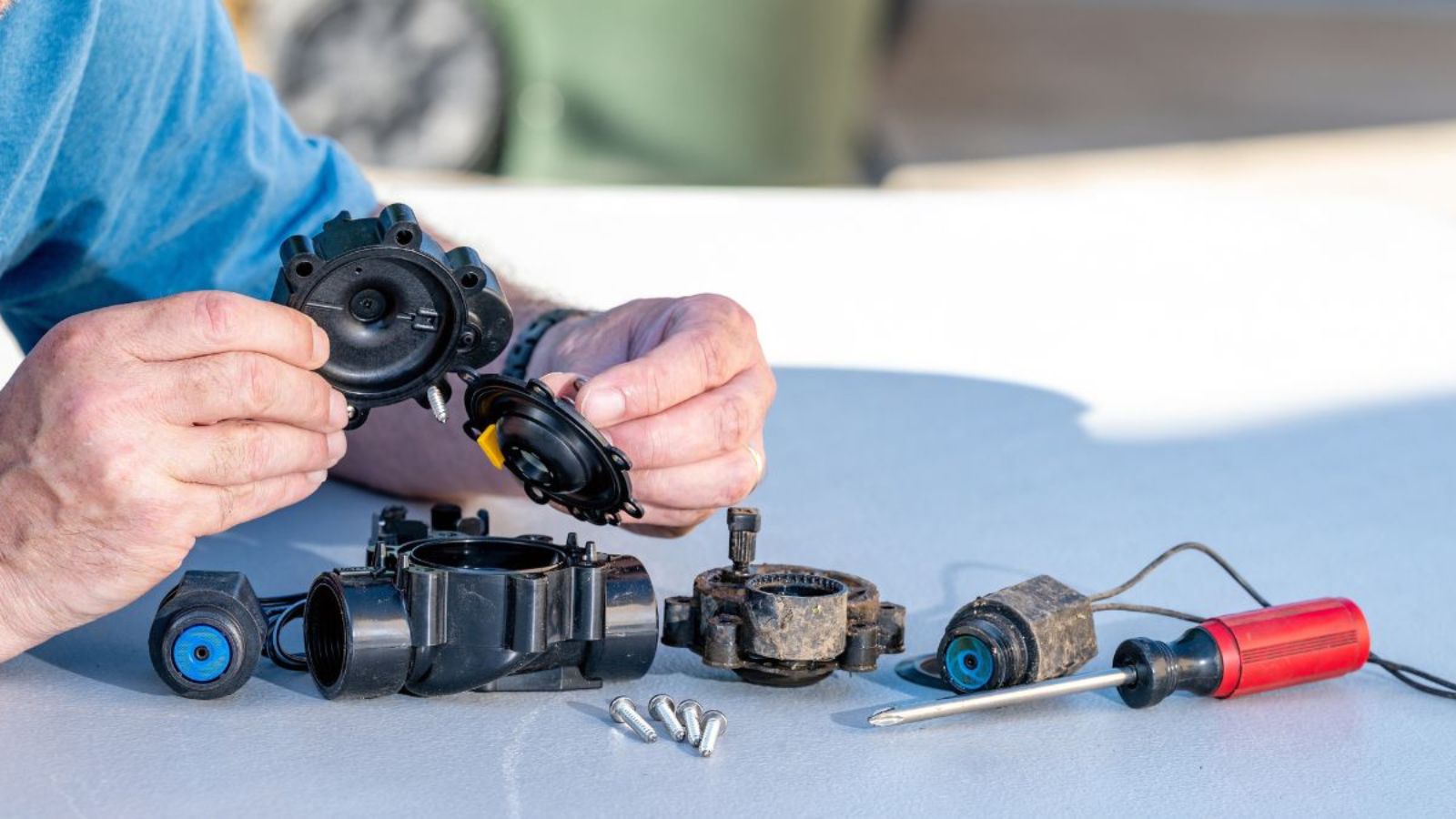
Many homeowners assume they need to water more during the summer. However, irrigation performance is often the real issue. A sprinkler system may still be running while certain sections of the lawn receive too little water.
Common problems include:
- Clogged sprinkler heads
- Misaligned spray patterns
- Uneven water pressure
- Underground leaks
- Incomplete zone coverage
During extreme heat, these smaller issues become far more noticeable because stressed grass reacts quickly.
Dry Patches vs Drainage Problems
Not all brown grass comes from a lack of water. In some yards, drainage problems create shallow root systems that struggle once temperatures rise.
Areas that hold standing water after rain or irrigation may weaken over time. When summer heat arrives, these sections often decline faster than healthier parts of the lawn.
Poor drainage can also contribute to:
- Soil compaction
- Root rot
- Fungal growth
- Thin turf coverage
- Uneven lawn color
Some properties may need grading adjustments or drainage improvements to support healthier lawn conditions long-term.
Common Summer Watering Mistakes
Trying to rescue stressed grass can sometimes create additional problems.
Watering Too Frequently
Light daily watering encourages shallow roots that dry out faster during hot weather.
Running Sprinklers During Peak Heat
Watering in the middle of the day increases evaporation and reduces how much moisture actually reaches the soil.
Overwatering Problem Areas
Too much water can weaken turf further and increase the risk of fungal issues.
Failing To Check System Coverage
If sprinkler zones are not covering the lawn evenly, some areas may continue drying out regardless of how often you water.
What Healthy Summer Watering Usually Looks Like
Most Omaha lawns respond better to deeper, less frequent watering instead of short daily cycles. Helpful watering practices often include:
- Watering early in the morning
- Allowing moisture to soak deeper into the soil
- Monitoring dry areas regularly
- Adjusting sprinkler timing during extreme heat
- Inspecting sprinkler heads for clogs or alignment problems
The goal is consistent root moisture rather than constantly wet grass.
When To Consider Professional Irrigation or Drainage Help
If your brown lawn in summer continues worsening despite watering adjustments, there may be an underlying irrigation or drainage issue affecting lawn health.
Professional inspections can help identify hidden problems such as underground leaks, poor drainage flow, pressure imbalances, or inconsistent sprinkler coverage.
Addressing these issues early can help prevent recurring lawn stress during future summers.
Frequently Asked Questions
Will brown grass recover after summer?
In many cases, yes. Dormant grass often improves once temperatures cool and moisture levels return to normal.
How do I know if my lawn is dead or dormant?
Dormant grass usually remains firmly rooted and may begin recovering with proper watering. Dead grass often pulls out easily and stays brittle.
Why are only certain parts of my lawn turning brown?
Uneven brown spots are often caused by sprinkler coverage problems, compacted soil, drainage issues, or underground leaks.
How often should lawns be watered during extreme heat?
Most lawns benefit more from deeper watering a few times per week rather than shallow daily watering.
Can sprinkler issues damage a lawn long-term?
Yes. Inconsistent coverage or hidden irrigation problems can leave sections of the lawn without enough moisture during extended summer heat.
Pioneer Underground Lawn Sprinklers | Sprinkler System Repairs and Maintenance Omaha, NE
Contact Pioneer Underground Lawn Sprinklers to schedule a free estimate on a system install or to find out what you can do to make your existing system more efficient. We welcome commercial and residential clients. And remember, whether you need our services now… or later in the season, Your Healthy Lawn is Our Passion, and we are only a phone call away.