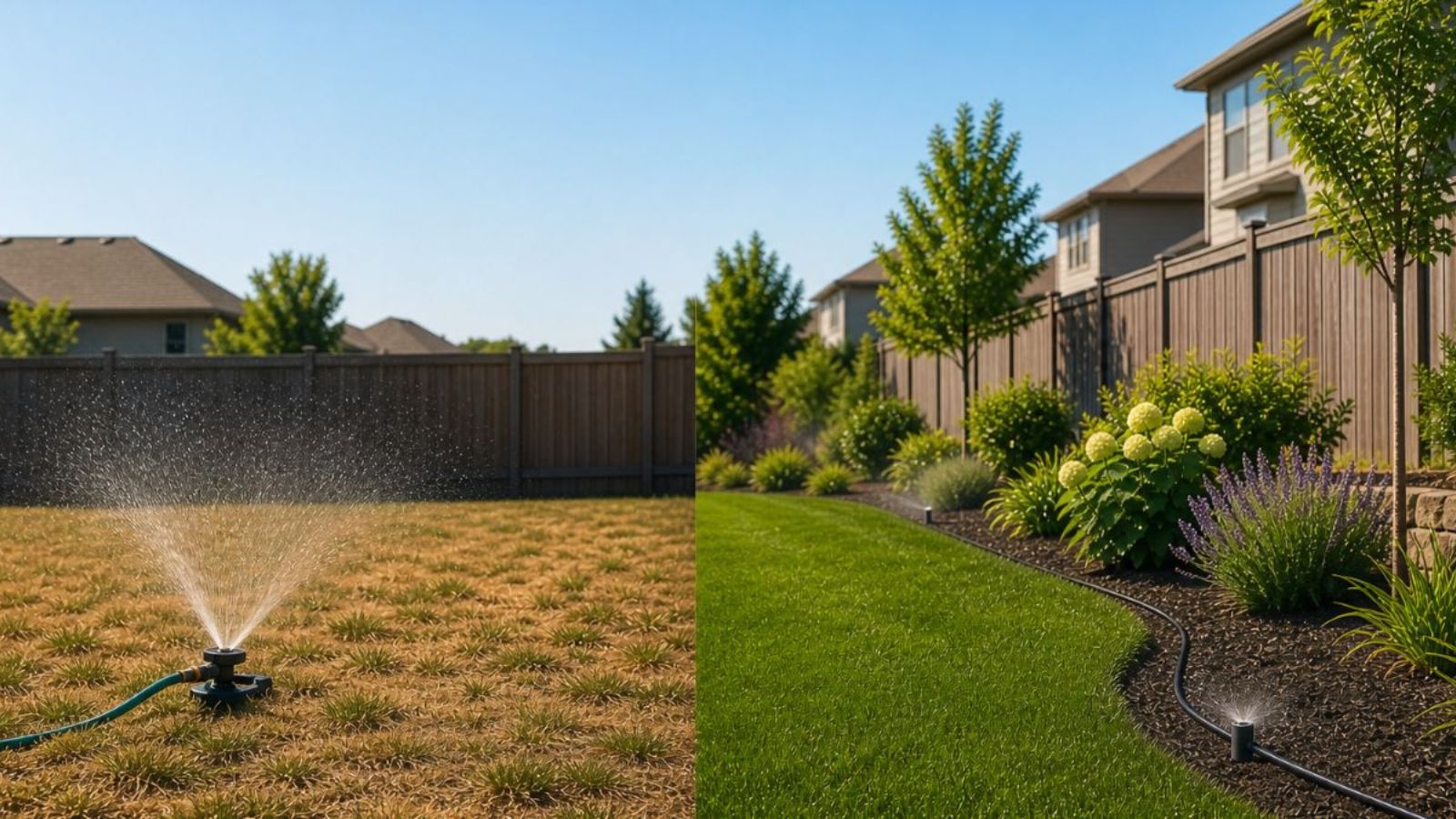
During a heat wave, your lawn behaves differently than it does during mild weather. Grass dries out faster, soil becomes less forgiving, and your usual watering routine may not be enough or may even be working against you.
At that point, timing matters just as much as the amount of water you’re using. The real question many homeowners face is simple: Should you water in the early morning or wait until the evening?
In most cases, early morning watering is the better option during extreme heat. However, watering schedules only work well when your irrigation system is distributing water properly and efficiently.
How Heat Waves Change Lawn Watering Needs
When temperatures rise, evaporation increases and soil loses moisture much faster. Even healthy lawns can begin showing signs of stress during extended periods of extreme heat.
Common signs of heat stress include:
- Dry or brittle grass blades
- Dull or faded lawn color
- Footprints remaining visible after walking
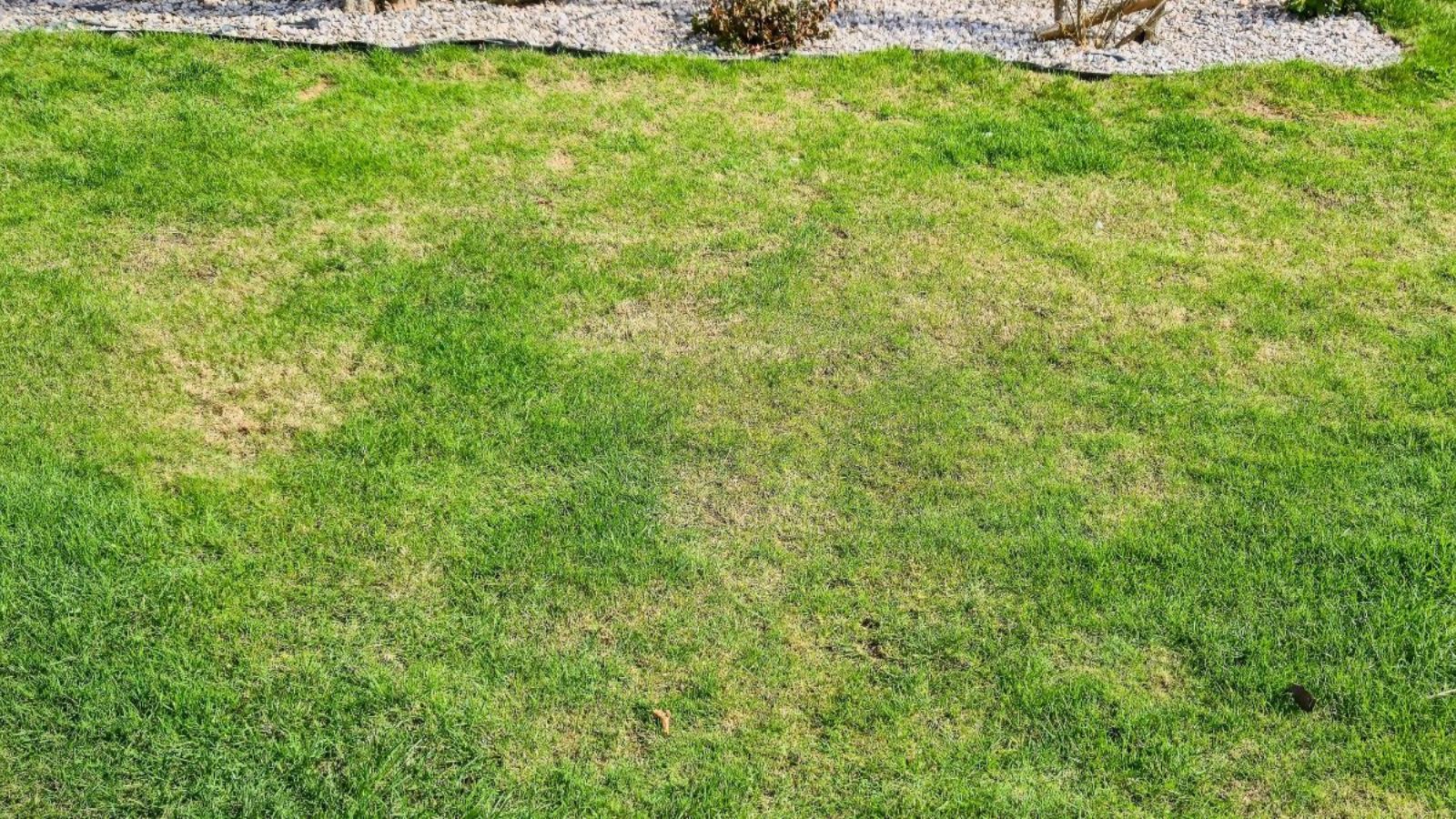
- Uneven dry patches throughout the yard
Heat waves also make irrigation problems more noticeable. Small issues like uneven sprinkler coverage, clogged heads, or pressure inconsistencies can quickly create visible lawn damage.
That’s why watering timing matters, but system performance matters just as much.
Why Early Morning Watering Works Best
Lower Evaporation and Better Absorption
Early morning is usually the most effective time to water during a heat wave. Cooler temperatures and calmer wind conditions allow more water to soak into the soil before evaporation increases.
This helps your lawn absorb moisture more efficiently rather than losing water to midday heat.
Better Moisture Support Throughout the Day
Morning watering gives grass time to absorb moisture before temperatures peak in the afternoon. This helps reduce stress during the hottest part of the day and supports healthier root activity.
Reduced Risk of Lawn Disease
Watering in the morning also allows grass blades to dry naturally throughout the day. Shorter periods of surface moisture help reduce the risk of fungal growth and lawn disease during humid weather.
Evening Watering: Helpful in Some Situations, but Less Ideal
Evening watering can reduce evaporation, but it also keeps moisture sitting on the lawn for longer periods overnight.
Why Evening Watering Can Create Problems
Without sunlight and stronger airflow, grass may stay damp for several hours. During warm and humid conditions, prolonged moisture can increase the likelihood of fungal issues and lawn disease.
When Evening Watering May Still Help
Evening watering may still be useful during severe heat spikes when the lawn is under visible stress. However, it works best when watering cycles remain controlled and do not oversaturate the soil.
Why Heat Waves Expose Irrigation Problems Faster
Extreme heat often reveals irrigation issues that may not be obvious during cooler weather.
Signs your system may not be distributing water properly include:
- Dry edges or brown spots
- Uneven green patches
- Soggy or oversaturated areas
- Water pooling near sprinkler heads
In many cases, these issues are related to sprinkler performance rather than watering frequency alone.
Underground leaks, pressure inconsistencies, or clogged sprinkler heads can quietly reduce efficiency while the system still appears to be operating normally.
Common Watering Mistakes During Hot Weather
Watering Too Frequently
Light daily watering encourages shallow root growth, making grass more vulnerable to heat stress and drought conditions.
Watering During Peak Heat
Midday watering leads to the highest evaporation loss and is usually the least efficient time to irrigate.
Ignoring System Performance
Many homeowners adjust watering schedules without checking whether the system itself is operating correctly. Coverage problems often become much more noticeable during heat waves.
Using the Same Schedule All Summer
Watering needs change as temperatures rise. Fixed schedules may not provide enough flexibility during periods of extreme heat.
Why Irrigation System Performance Matters
Even the best watering schedule will not help much if the irrigation system is not distributing water evenly.
Several factors affect irrigation efficiency, including:
- Sprinkler alignment
- Nozzle condition
- Water pressure balance
- Zone coverage consistency
When one area receives too much water and another receives too little, the lawn begins showing uneven stress patterns quickly during hot weather.
How To Adjust Watering During Extreme Heat
Most lawns respond better to deeper watering rather than more frequent shallow cycles.
Helpful adjustments during heat waves may include:
- Watering earlier in the morning
- Increasing watering depth instead of frequency
- Monitoring for dry or oversaturated areas
- Checking sprinkler heads regularly for proper coverage
The goal is steady soil moisture, not constantly wet grass.
When Irrigation Issues May Be the Real Problem
If your lawn continues struggling after adjusting watering times, the issue may be related to the irrigation system itself.
Common hidden problems include:
- Underground leaks
- Uneven sprinkler coverage
- Clogged or damaged sprinkler heads
- Pressure imbalance between zones
These issues often reduce efficiency quietly while causing long-term lawn stress during periods of high heat.
Frequently Asked Questions
Is morning watering better than evening watering?
Yes. Morning watering is usually more effective because cooler temperatures reduce evaporation and allow better soil absorption before afternoon heat arrives.
Can evening watering damage my lawn?
Not always, but repeated nighttime watering can increase moisture retention and raise the risk of fungal growth, especially during humid weather.
How often should I water during a heat wave?
Most lawns benefit more from deeper, less frequent watering rather than daily shallow watering. The exact schedule depends on soil conditions and irrigation performance.
Why does my lawn still look dry after watering?
Dry areas may be caused by uneven sprinkler coverage, underground leaks, clogged sprinkler heads, or compacted soil that limits water absorption.
Should sprinkler systems be adjusted during summer?
Yes. Heat waves often require temporary watering adjustments, and irrigation systems should be checked to ensure proper coverage and efficiency during hotter weather.
Pioneer Underground Lawn Sprinklers | Sprinkler System Repairs and Maintenance Omaha, NE
Contact Pioneer Underground Lawn Sprinklers to schedule a free estimate on a system install or to find out what you can do to make your existing system more efficient. We welcome commercial and residential clients. And remember, whether you need our services now… or later in the season, Your Healthy Lawn is Our Passion, and we are only a phone call away.