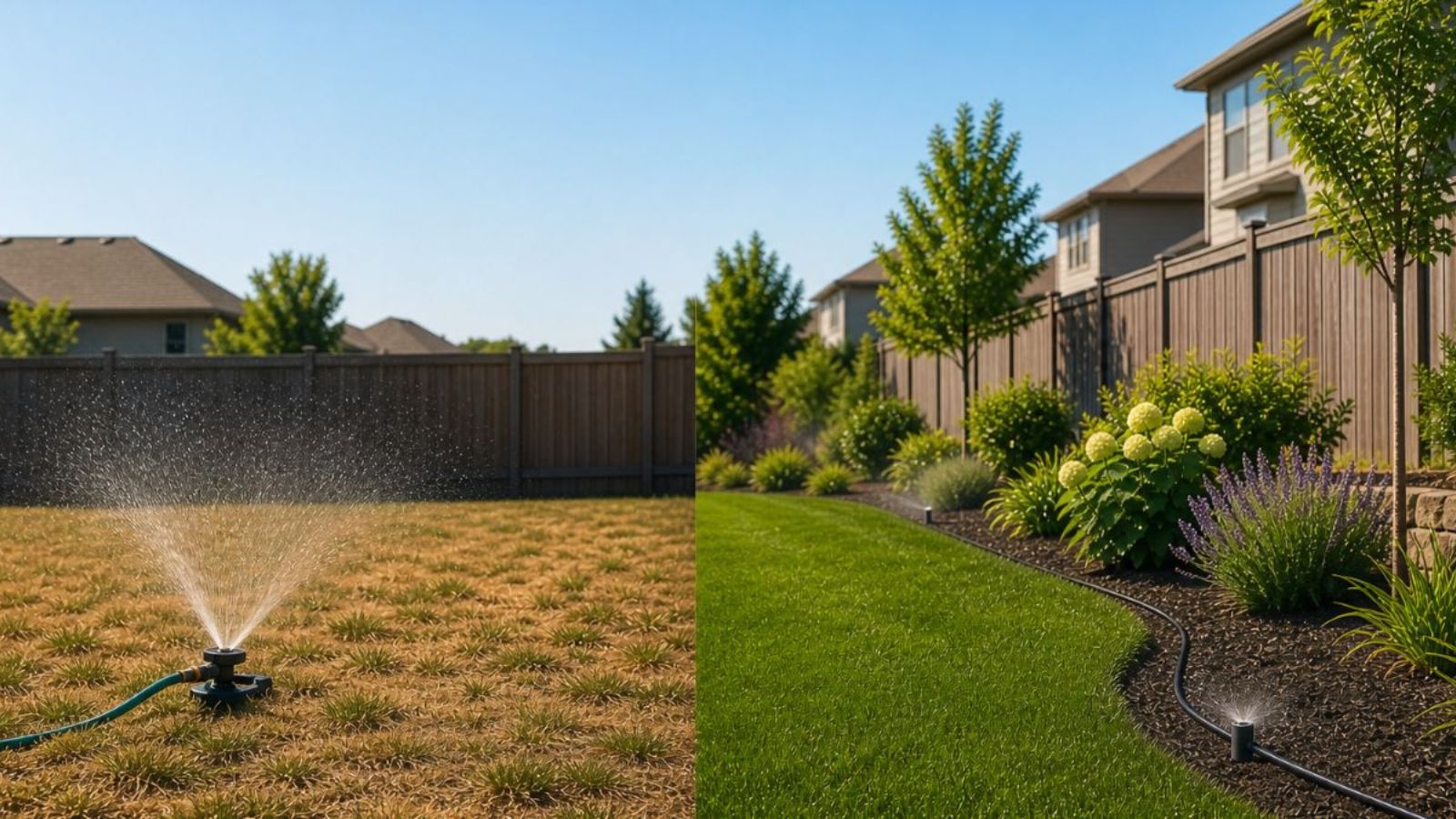
A lawn in Omaha can move from healthy green to patchy brown in a short span once summer heat settles in. Extended sun exposure, uneven rainfall, and fast evaporation rates make it difficult to judge when your grass actually needs water.
Because of that, homeowners usually fall into one of two approaches: watering only when the lawn looks dry, or following a more intentional plan built around consistency and conditions. Both can keep grass alive, but they don’t perform equally well under peak summer stress.
Understanding the difference helps you reduce brown patches, avoid wasted water, and prevent long-term turf decline.
Why Omaha Summers Make Lawn Care Hard to Predict
Summer conditions in Omaha rarely stay consistent long enough for a simple watering routine to work on its own. One week may bring intense heat and dry winds, while the next delivers rainfall that soaks some areas and misses others entirely.
These shifts create uneven moisture patterns across your yard. Soil may dry faster in full sun, while shaded or low-lying areas retain moisture longer.
Clay-heavy soil can hold water in one section while repelling it in another. At the same time, high temperatures accelerate evaporation before water can fully reach deeper roots.
Even when watering seems adequate, moisture distribution is rarely uniform.
Strategy 1: Water Only When the Lawn Looks Dry
This approach is reactive. Watering happens only after the grass shows visible signs of stress, such as fading color, crunchiness underfoot, or slowed growth.
On the surface, this feels practical because you’re responding directly to what you see. The issue is that visual changes usually appear late in the stress cycle.
By the time grass looks dry, the root zone may already be struggling to maintain adequate moisture. This method often leads to patterns like:
- Waiting for browning before watering begins
- Increasing watering only after heat stress becomes obvious
- Focusing on visible dry spots instead of overall soil conditions
- Adjusting irrigation based on appearance rather than moisture depth
While this can be sufficient during mild weather, it becomes less reliable during extended heat when surface symptoms lag what’s happening underground.
Strategy 2: Water By Design
A more structured approach focuses on maintaining steady moisture levels rather than reacting to visible stress.
Instead of waiting for the lawn to signal a problem, watering is planned around consistency, soil behavior, and weather conditions. T
he goal is to support root health before the grass reaches a stress point. This typically includes:
- Watering on a set schedule adjusted for heat and rainfall
- Using deeper watering cycles instead of frequent light watering
- Monitoring sprinkler coverage across all zones
- Adjusting timing during heat waves before stress appears
- Checking moisture levels below the surface rather than relying on appearance
This approach helps reduce the repeated cycle of stress and recovery that weakens turf over time.
Which Approach Works Better in Summer Conditions?
In most Omaha summer conditions, a structured watering plan performs more consistently. Grass responds better when moisture levels remain stable rather than fluctuating between dry and saturated states.
However, the effectiveness of this method depends heavily on how well water is actually distributed across your lawn. If irrigation coverage is uneven, even a well-planned schedule may not prevent brown patches.
That’s why some lawns still show stress even when watering seems correct: the issue isn’t timing but water delivery.
When the Problem Isn’t How You Water
If your lawn struggles despite consistent watering, the underlying issue may be irrigation performance rather than frequency or duration.
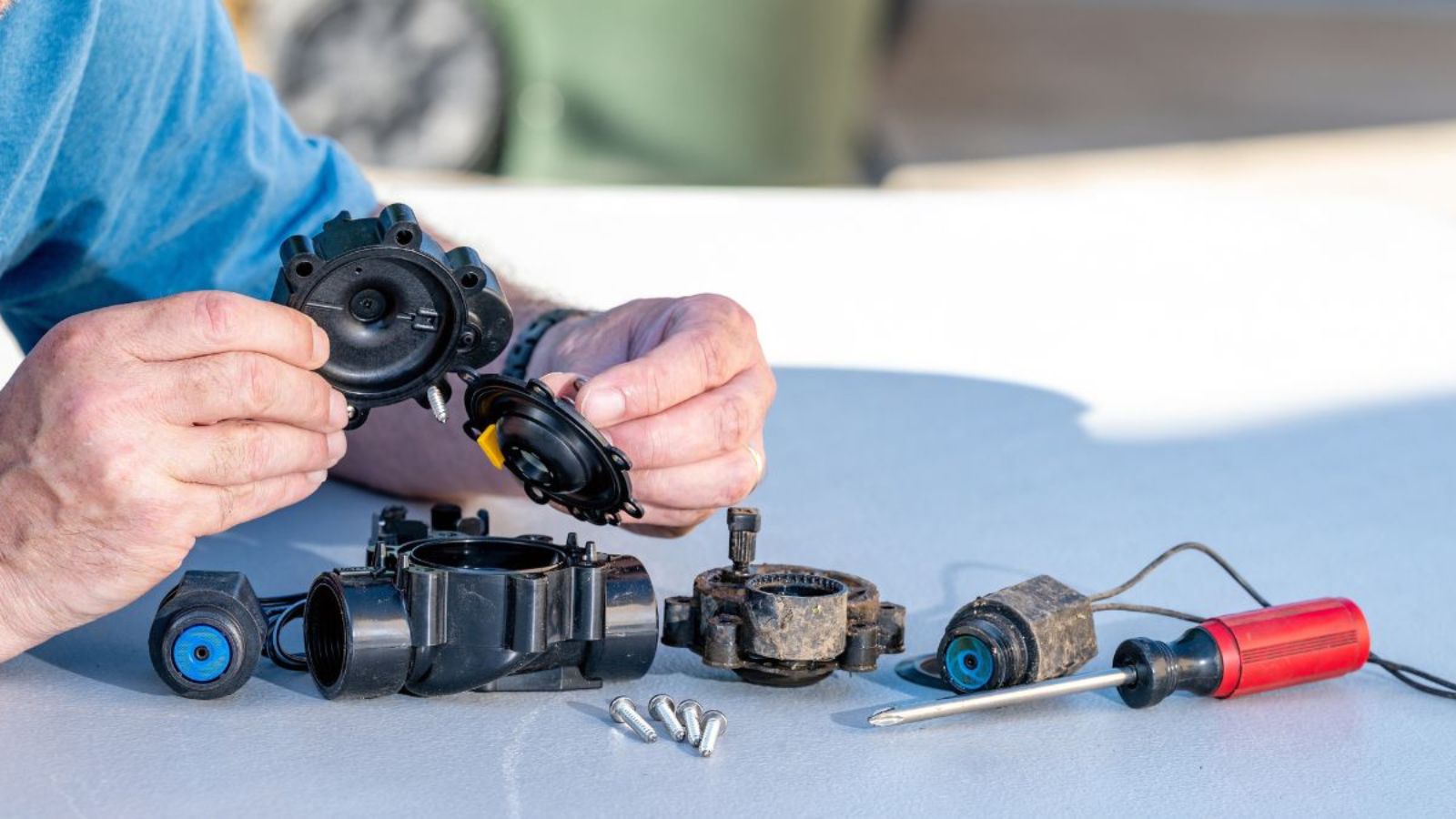
Common system-related problems include:
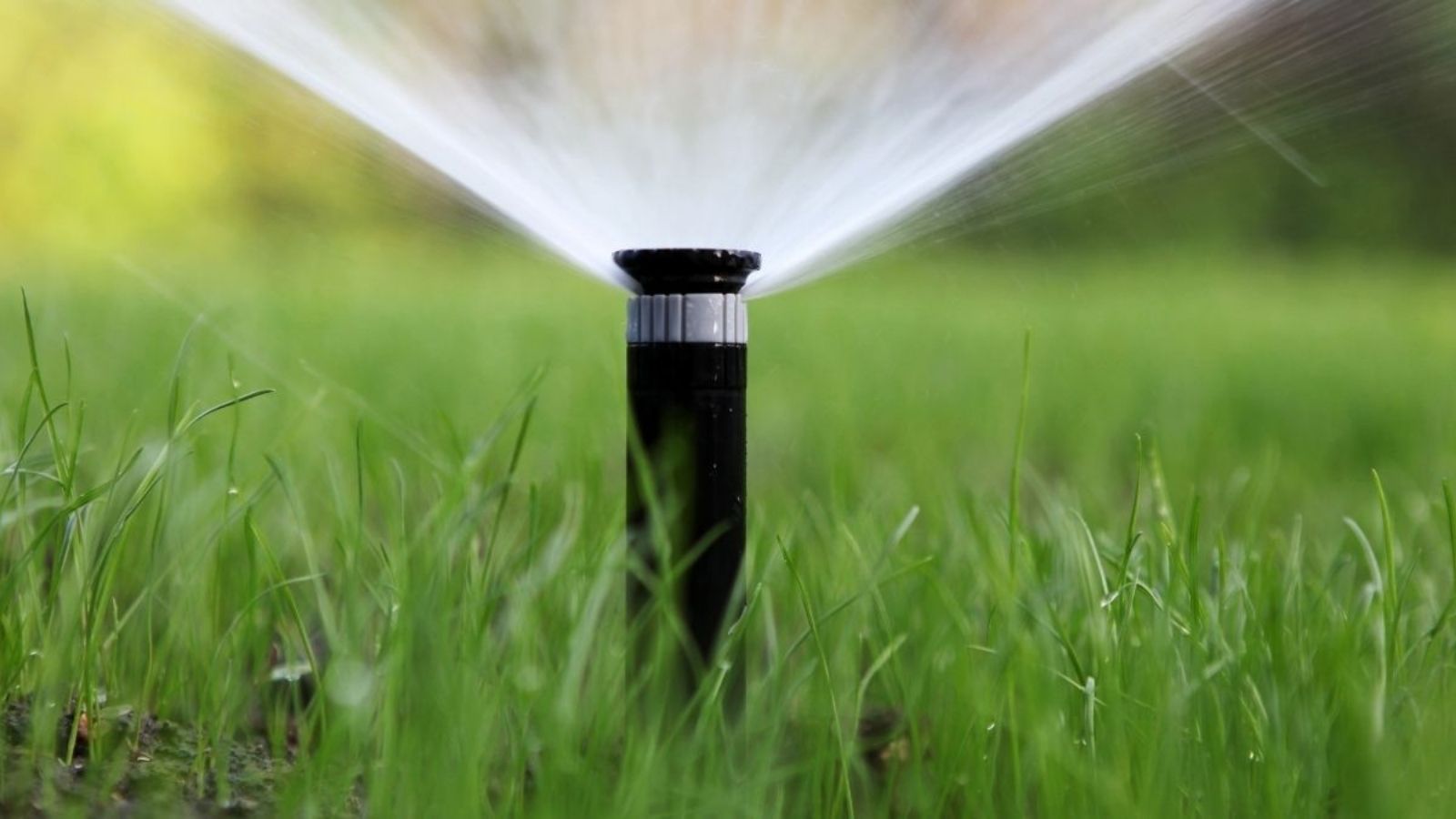
- Sprinkler heads that are clogged or misaligned
- Uneven water pressure between irrigation zones
- Underground leaks reducing system efficiency
- Coverage gaps that leave portions of the lawn dry
- Scheduling that doesn’t match actual yard conditions
These issues can create uneven moisture distribution, leading to dry patches even when the system is running regularly.
When Drainage Affects Lawn Health
Not all brown or thinning areas are caused by too little water. In some cases, the issue is that water is not moving properly through the soil.
Poor drainage can leave certain areas overly saturated after irrigation or rainfall. Over time, this weakens root structure and reduces the lawn’s ability to handle heat stress.
Common signs of drainage-related problems include:
- Soft or soggy ground after watering or rain
- Thin or weak grass in low-lying areas
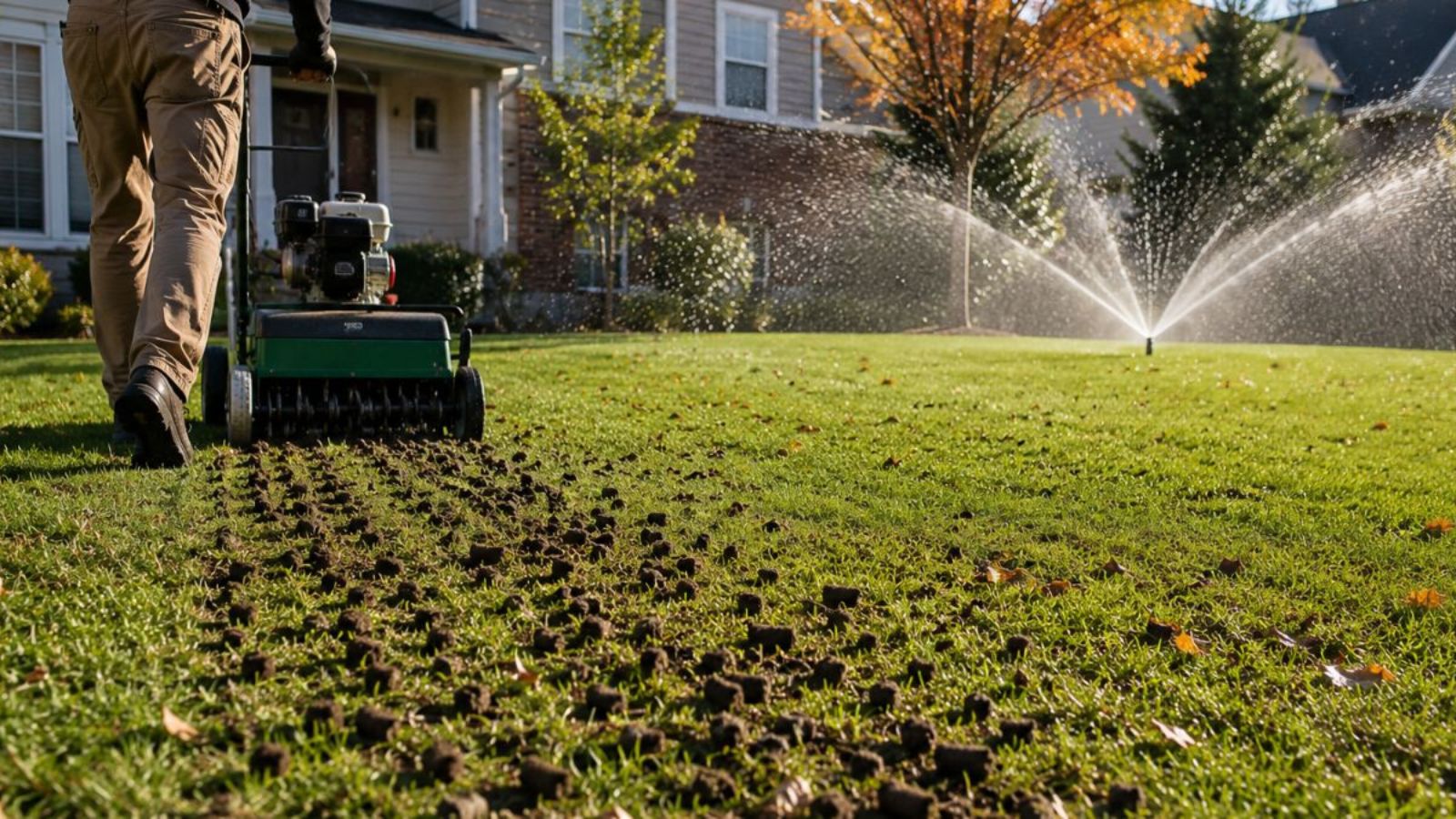
- Soil that feels compacted or slow to absorb water
- Uneven lawn color across similar irrigation zones
Frequently Asked Questions
Is it better to water only when the lawn looks dry?
Not during peak summer heat. Visible dryness often appears after the lawn has already been stressed for a while, so a consistent watering schedule usually works better.
How often should lawns be watered in Omaha summers?
Most lawns do better with deeper watering a few times per week. Light daily watering usually does not reach the roots effectively.
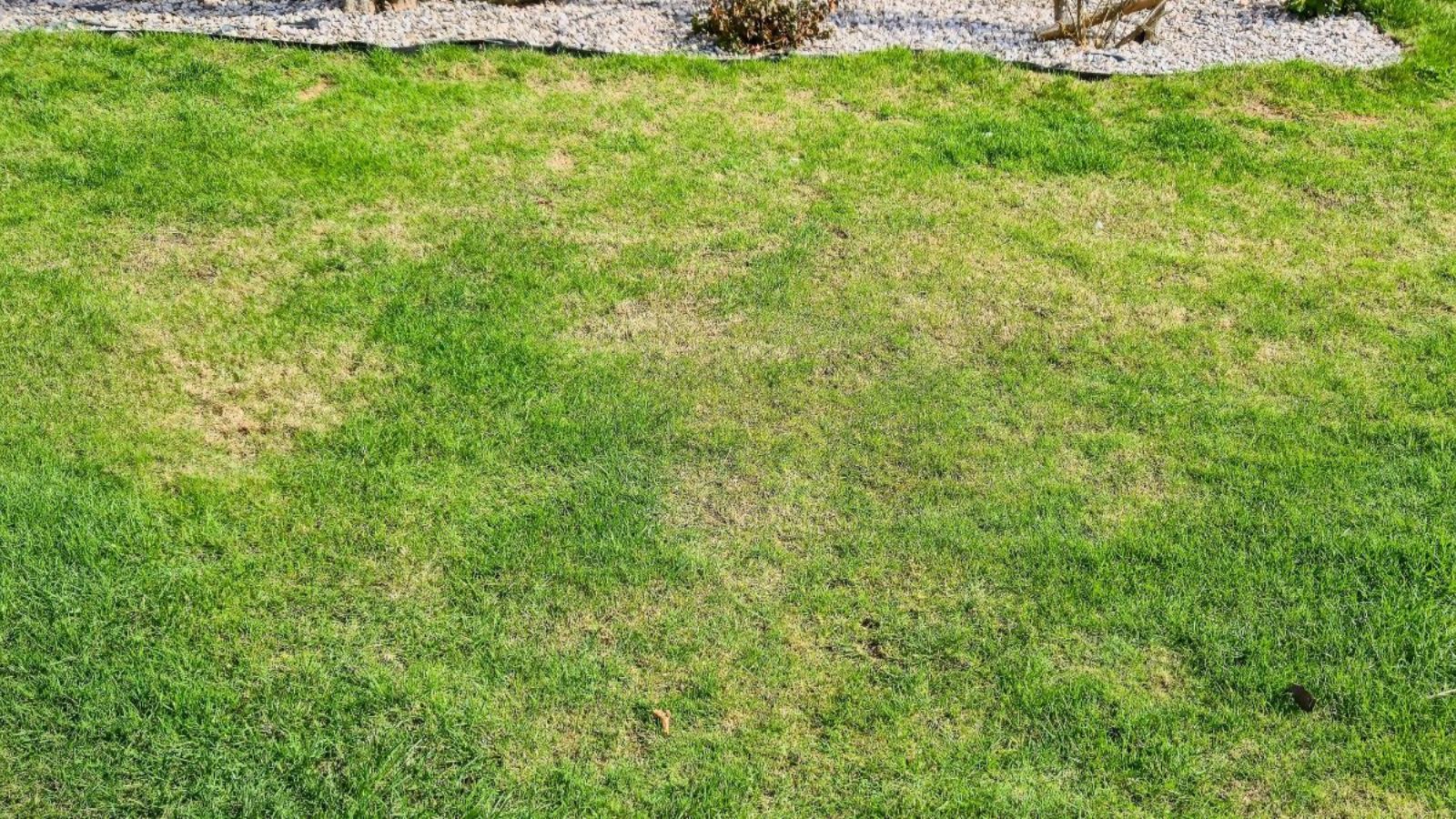
Why are some parts of my lawn green while others turn brown?
Uneven sprinkler coverage, soil differences, or drainage issues often cause problems in certain areas. These conditions create uneven moisture across the yard.
Can too much water damage a lawn?
Yes, overwatering can weaken root systems. It can also lead to fungal growth and oxygen-poor soil.
What’s the most common summer watering mistake?
Relying only on how the lawn looks is a common mistake. Soil conditions and irrigation performance matter just as much as appearance.
Pioneer Underground Lawn Sprinklers | Sprinkler System Repairs and Maintenance Omaha, NE
Contact Pioneer Underground Lawn Sprinklers to schedule a free estimate on a system install or to find out what you can do to make your existing system more efficient. We welcome commercial and residential clients. And remember, whether you need our services now… or later in the season, Your Healthy Lawn is Our Passion, and we are only a phone call away.