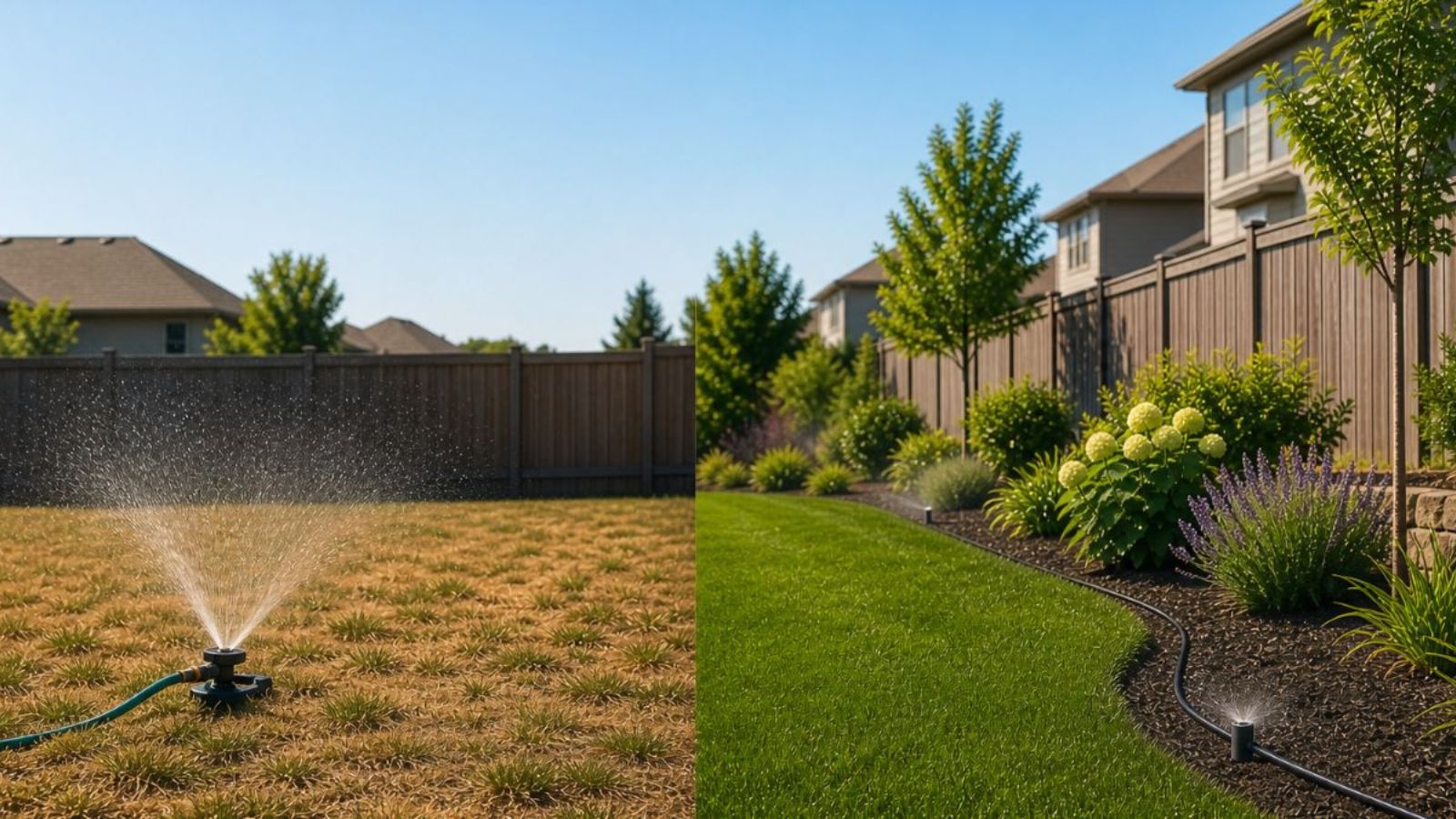
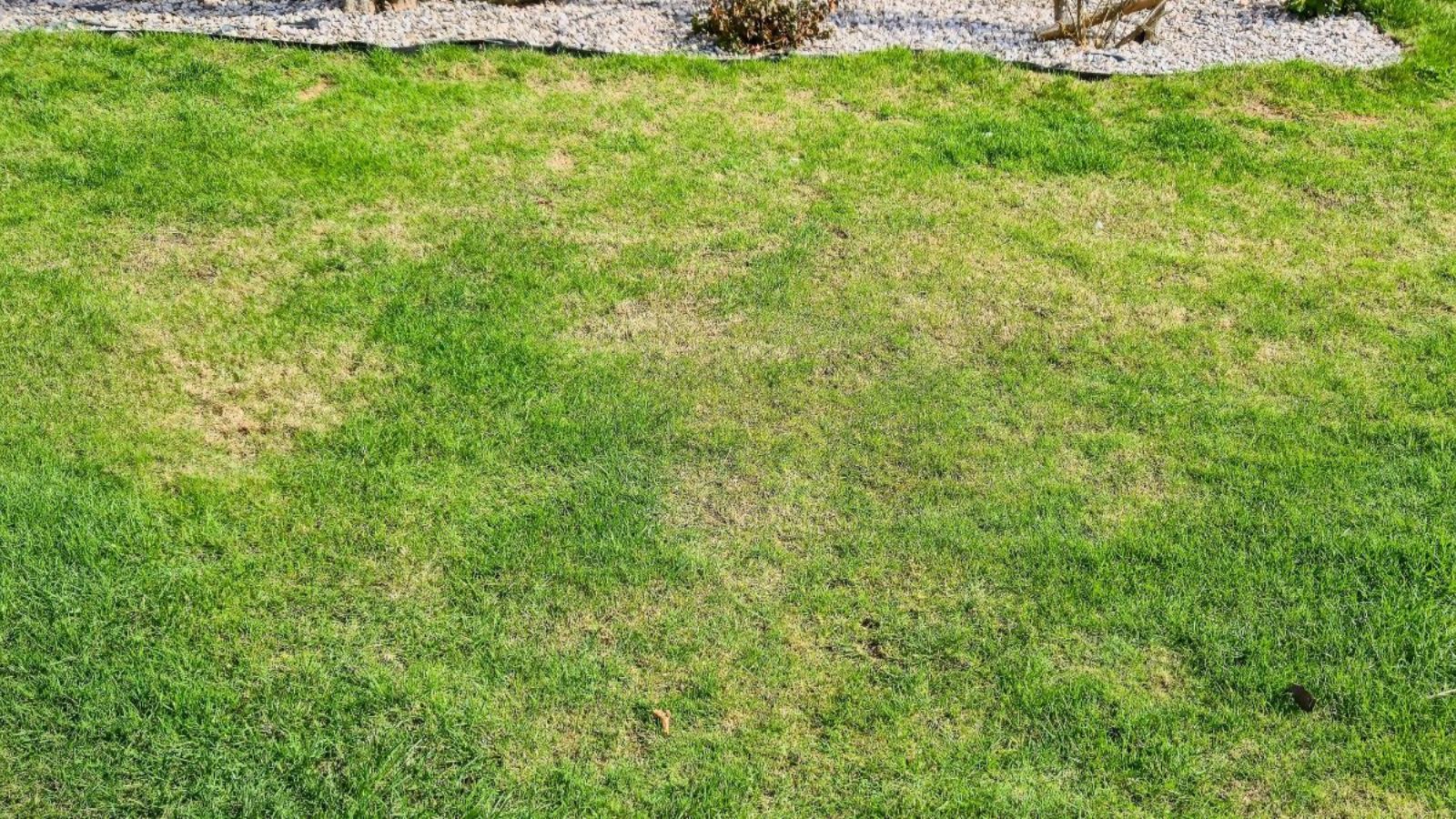
Your sprinkler system is meant to make lawn care easier, but if your timer isn’t set correctly, it could be using more water than necessary.
In many cases, water waste happens slowly over time. Outdated settings, seasonal changes, and small system issues can all lead to unnecessary usage without obvious signs.
For homeowners in Omaha, irrigation systems need regular adjustments to match changing weather. Without proper updates, even a well-installed system can run inefficiently and increase your water bill.
How a Sprinkler Timer Can Lead to Water Waste
Your timer controls when and how long your system runs. If those settings don’t match current conditions, your lawn may be getting more water than it needs.
Watering Too Frequently
Many systems are programmed once and left alone. As temperatures change, this can lead to overwatering and wasted water.
Running at the Wrong Time of Day
Watering during the middle of the day leads to higher evaporation. Early morning watering allows more water to soak into the soil where it’s needed.
Ignoring Rainfall
Without rain sensors or adjustments, systems may continue running even after a storm. This leads to oversaturated soil and unnecessary water use.
Outdated Timer Technology
Older timers run on fixed schedules and don’t adjust for weather changes. This makes it harder to maintain efficiency throughout the season.
Signs Your System May Be Running Inefficiently
Your lawn can still look healthy even if your system is wasting water. Watch for these common signs:
- Soggy or oversaturated areas
- Uneven grass growth
- Higher water bills without a clear reason
- Sprinklers running during or after rain
- Certain zones running longer than others
These issues are often caused by outdated settings or improper system adjustments.
Why Professional Adjustments Matter
Your sprinkler system works as a whole, not just a timer.
If components like sprinkler heads, valves, or pressure levels are off, simply adjusting the schedule may not fix the problem.
A professional inspection looks at the entire system to identify:
- Leaks or underground issues
- Misaligned or clogged sprinkler heads
- Uneven coverage
- Pressure problems
Routine maintenance helps reduce waste, improve performance, and keep your system running efficiently.
The Importance of Seasonal Adjustments
Watering needs change throughout the year. A fixed schedule doesn’t account for shifts in temperature, rainfall, and lawn growth.
Typical seasonal services include:
- Spring startup and system check
- Mid-season adjustments based on weather
- Fall winterization to prevent damage
Keeping your system aligned with the season helps reduce unnecessary watering and improve overall lawn health.
Seasonal Sprinkler Timer Adjustment Guide
| Season | Recommended Adjustment | Why It Matters |
|---|---|---|
| Spring | Activate the system and reset the sprinkler timer | Spring startup helps check for winter damage, restore proper settings, and prepare the lawn for new growth |
| Early Summer | Increase watering slightly based on heat and rainfall | Rising temperatures dry out soil faster, so small adjustments help maintain healthy moisture levels without excess watering |
| Late Summer | Monitor run times and inspect for worn components | High summer usage can expose leaks, worn sprinkler heads, and inefficient watering patterns that increase water waste |
| Fall | Reduce watering frequency and prepare for cooler weather | Cooler temperatures and seasonal rain reduce lawn demand, making shorter watering cycles more efficient |
| Winter | Shut down and winterize the system if needed | Winterization helps prevent frozen pipes, cracked valves, and costly repairs before the next irrigation season |
Smart Upgrades That Help Reduce Water Waste
Modern irrigation technology can make a big difference in efficiency.
Options include:
- Smart irrigation controllers
- Weather-based scheduling systems
- Rain and soil moisture sensors
- Remote system monitoring
These tools automatically adjust watering based on real conditions, helping prevent overwatering and reduce waste.
When to Schedule an Inspection
An annual inspection is one of the best ways to keep your system running efficiently.
Spring and early summer are ideal times to check your system before peak usage. Regular evaluations help catch small issues early before they turn into costly problems.
Frequently Asked Questions
How often should a sprinkler timer be adjusted?
Sprinkler timers should be reviewed at least once per season to match changing weather conditions. Regular updates help improve water efficiency and prevent overwatering.
Can a faulty timer increase water bills?
An improperly programmed or malfunctioning timer can lead to longer run times and overwatering. This often results in higher water bill costs due to excessive usage.
Are smart sprinkler controllers more efficient than traditional timers?
Smart controllers adjust watering schedules based on weather data and soil conditions. This leads to better water-saving outcomes compared to fixed schedules.
What happens if a sprinkler system runs during rainfall?
Running a system during or after rain can oversaturate the soil and waste water. This can negatively affect water levels in the ground and reduce absorption efficiency.
Is professional maintenance necessary for sprinkler systems?
Professional maintenance helps identify hidden issues such as leaks, pressure problems, and uneven coverage. It supports better water usage control and long-term system performance.
Pioneer Underground Lawn Sprinklers | Sprinkler System Repairs and Maintenance Omaha, NE
Contact Pioneer Underground Lawn Sprinklers to schedule a free estimate on a system install or to find out what you can do to make your existing system more efficient. We welcome commercial and residential clients. And remember, whether you need our services now… or later in the season, Your Healthy Lawn is Our Passion, and we are only a phone call away.