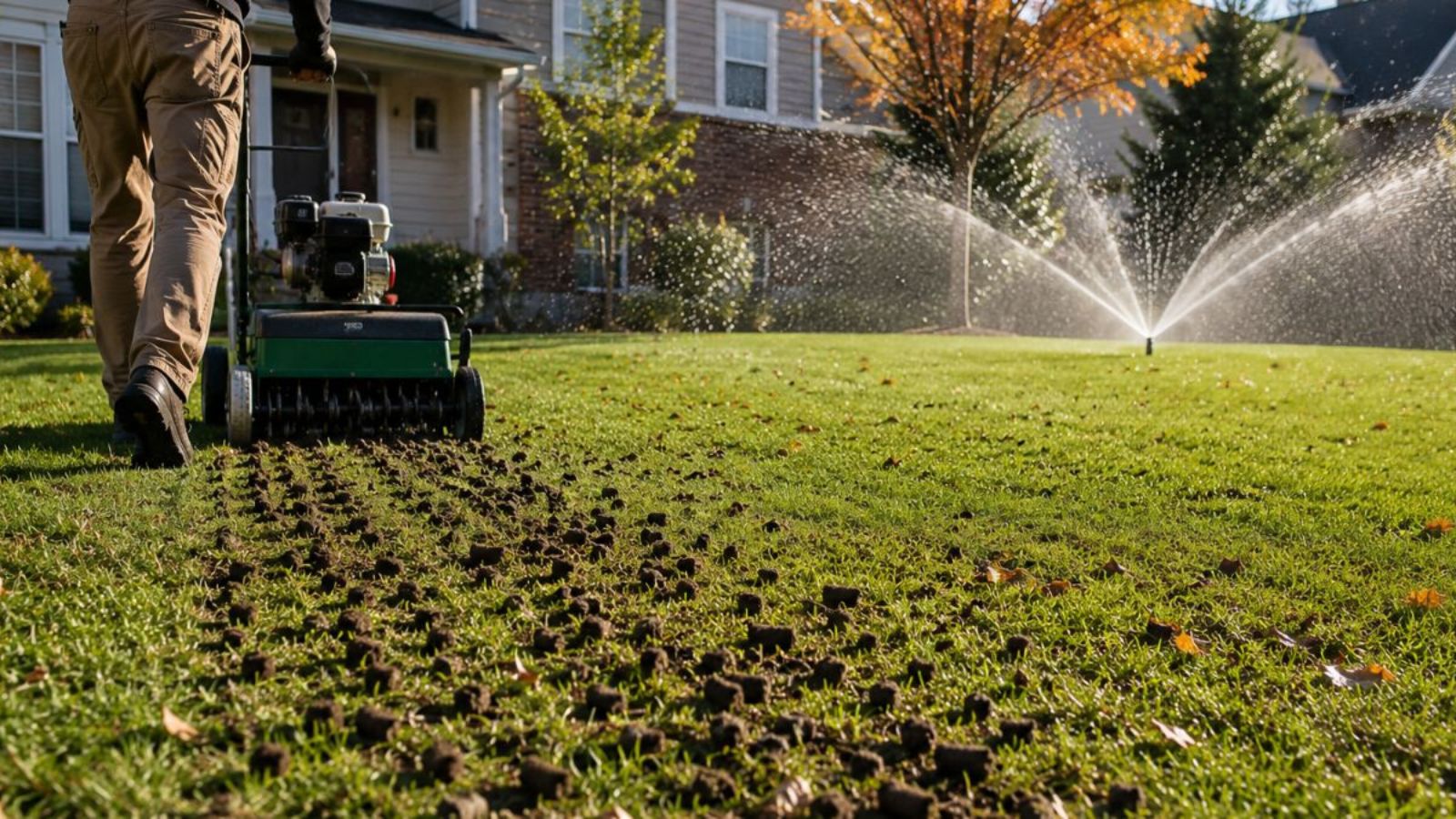
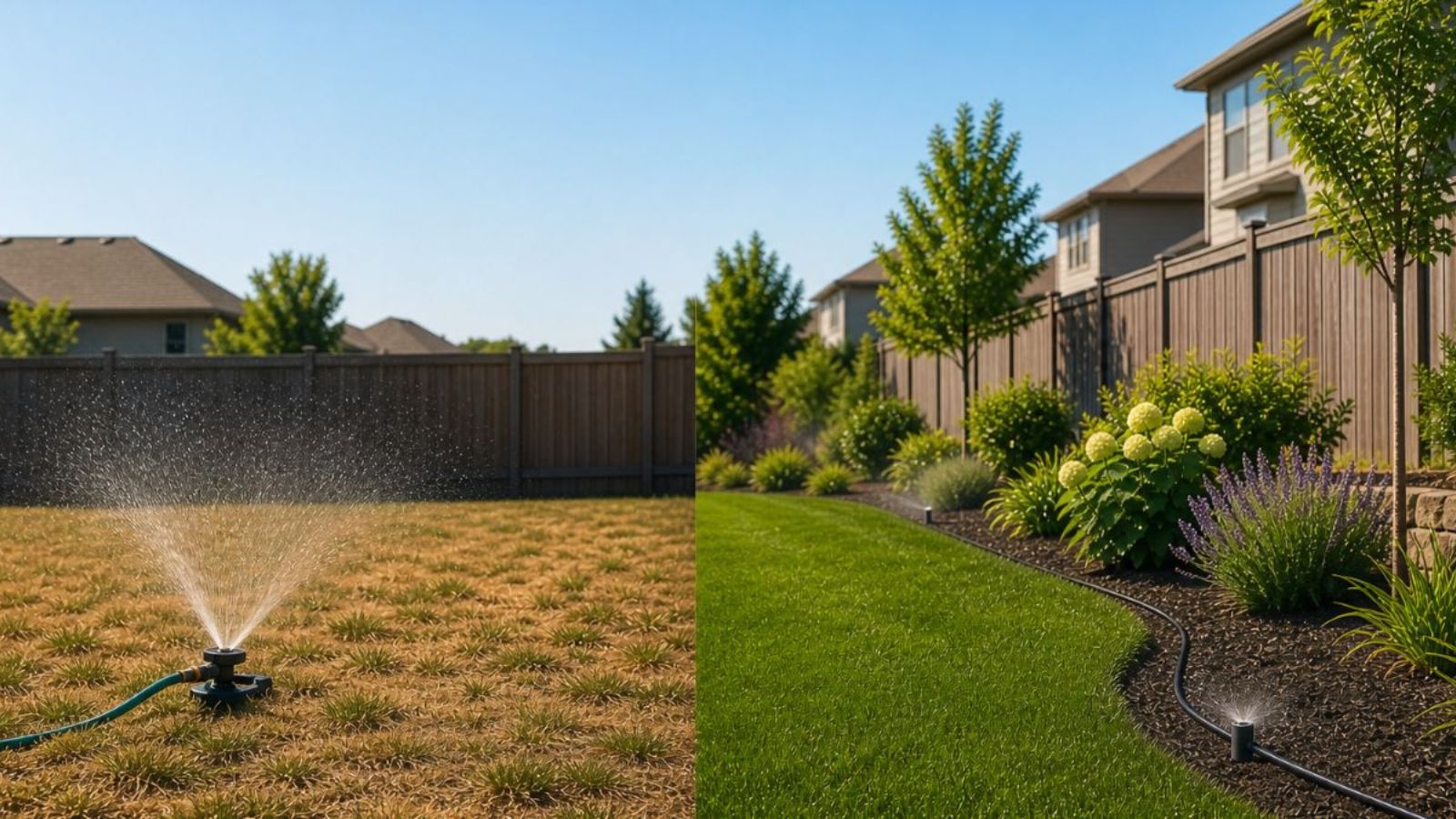
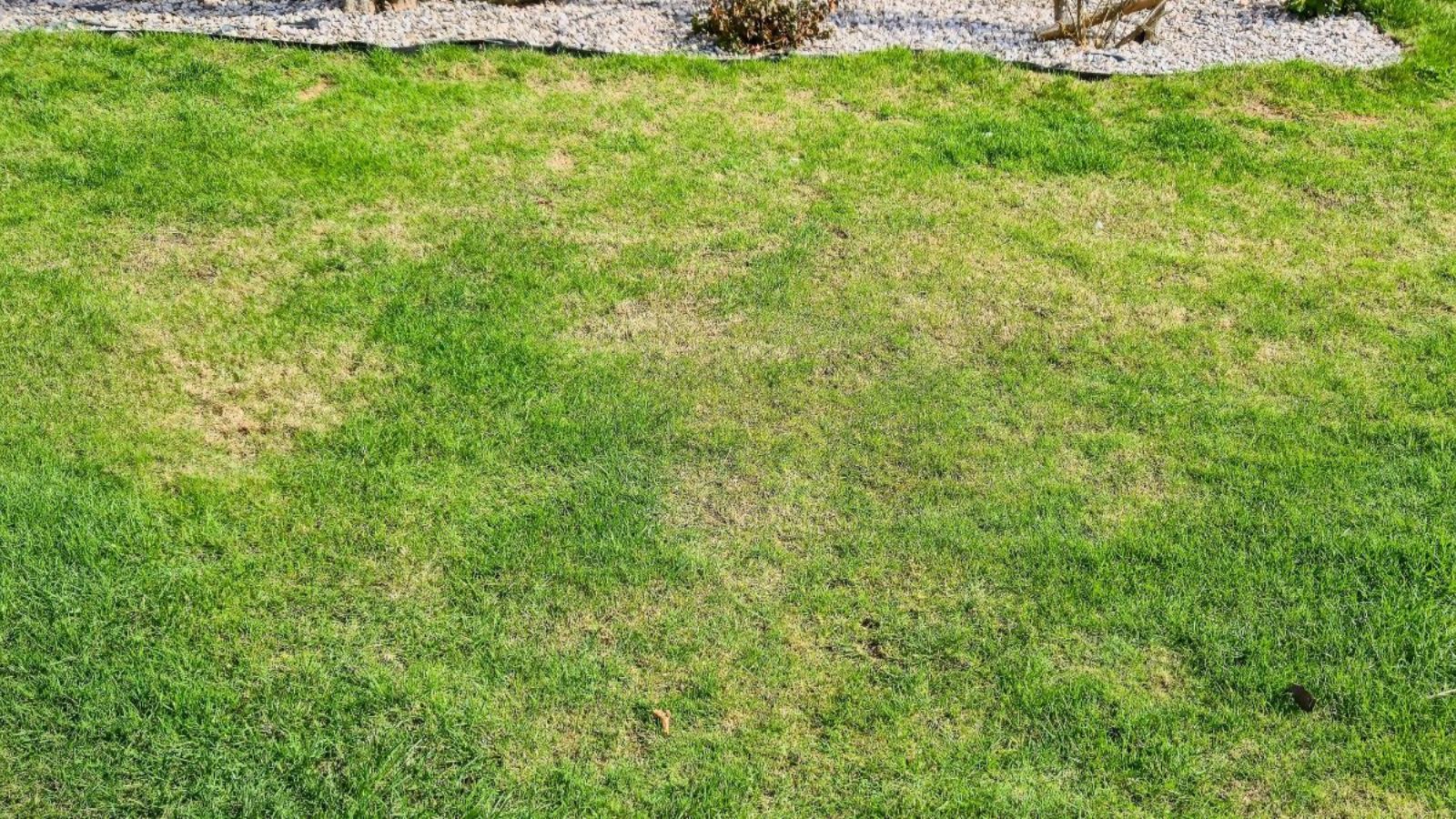
Every fall, homeowners face the same timing dilemma as temperatures drop. The lawn may still be green and growing, even as freezing weather approaches and it becomes time to start winterizing sprinklers.
These two seasonal needs do not always line up. The grass may still need some moisture, while water left inside irrigation lines, valves, and other components can become a concern when temperatures fall below freezing.
First, determine whether the lawn needs additional watering. Once you address that need, you can prepare the irrigation system for winter.
Assess Lawn Moisture
A lawn that is still growing does not automatically need the same amount of irrigation it received during summer.
Cooler temperatures, shorter days, rainfall, and lower evaporation can reduce water requirements even while the grass remains green. Soil moisture and recent rainfall provide a better indication of whether another watering cycle is necessary.
Consider:
- Recent rainfall
- Soil moisture near the root zone
- Current temperatures
- Dry or windy conditions
- The forecast for the next several days
If the soil is adequately moist, additional watering may not be necessary. If the lawn is dry, a final watering may be appropriate before the system is shut down.
Avoid treating the last watering as a fixed calendar event. Fall weather can change quickly, so the lawn’s actual condition should guide the decision rather than the summer irrigation schedule.
A common mistake is continuing regular summer watering simply because the lawn has not gone dormant. This can leave the soil unnecessarily wet while temperatures are already falling.
Review the Irrigation System
Once the lawn’s remaining watering needs are addressed, attention can shift to the irrigation system.
Professional winterization starts with understanding the irrigation layout. The main shutoff, valves, backflow components, zones, and other equipment can affect where water remains and how the system needs to be cleared.
This is especially important when the sprinkler system has been repaired, expanded, or modified during the season. A new zone can change water flow and drainage compared with previous seasons. Likewise, an irrigation zone with altered components may clear differently during winterization.
Areas that deserve attention include:
- Recently repaired or modified zones
- Exposed irrigation components
- Valves and backflow equipment
- Low areas where water may collect
- Sprinkler heads that have been leaking or behaving unusually
Turning off the controller is not enough to protect the system. The controller stops scheduled irrigation but does not remove water remaining inside the system.
Clear Water From the System
The purpose of winterizing sprinklers is to remove water from portions of the irrigation system where freezing could cause damage.
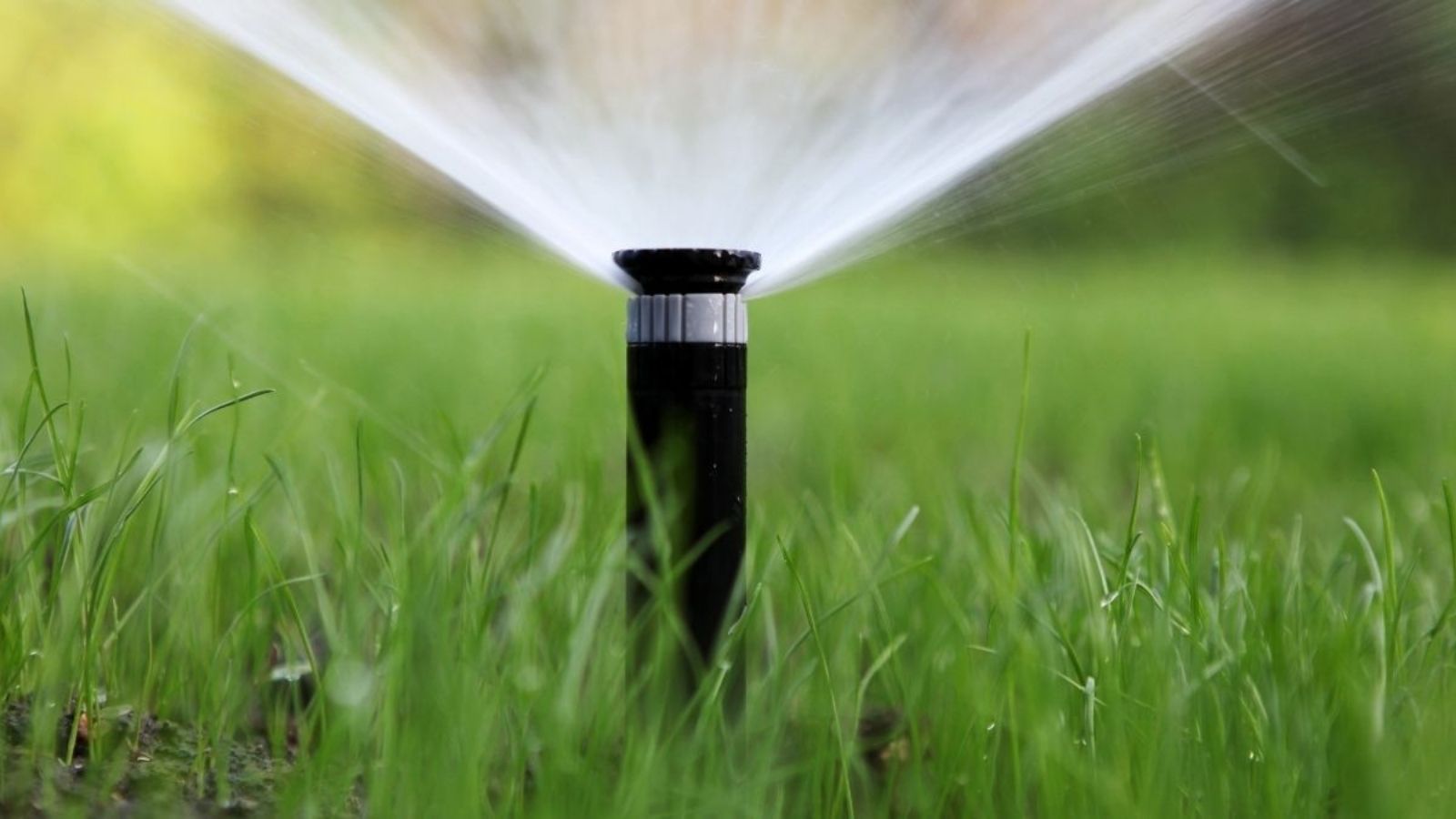
For many conventional systems, compressed air is used to push water through sprinkler heads and out of irrigation lines. The main water supply is typically shut off, and the system is addressed zone by zone with equipment and pressure matched to the system.
| System area | Winterization purpose |
|---|---|
| Irrigation lines | Removes remaining water |
| Sprinkler heads | Clears connected piping |
| Valves | Addresses remaining water |
| Low points | Targets areas where water can collect |
A sprinkler head stopping its flow does not necessarily mean the entire zone is clear. Water can remain in low points, valves, piping, or other components depending on the system’s configuration.
This is one reason winterization should be approached as a system-wide process rather than simply turning off the controller. The goal is to reduce the amount of water left in vulnerable components before freezing conditions arrive.
Check for Irrigation Problems
Winterization is also an opportunity to identify problems that could otherwise remain unnoticed until spring.
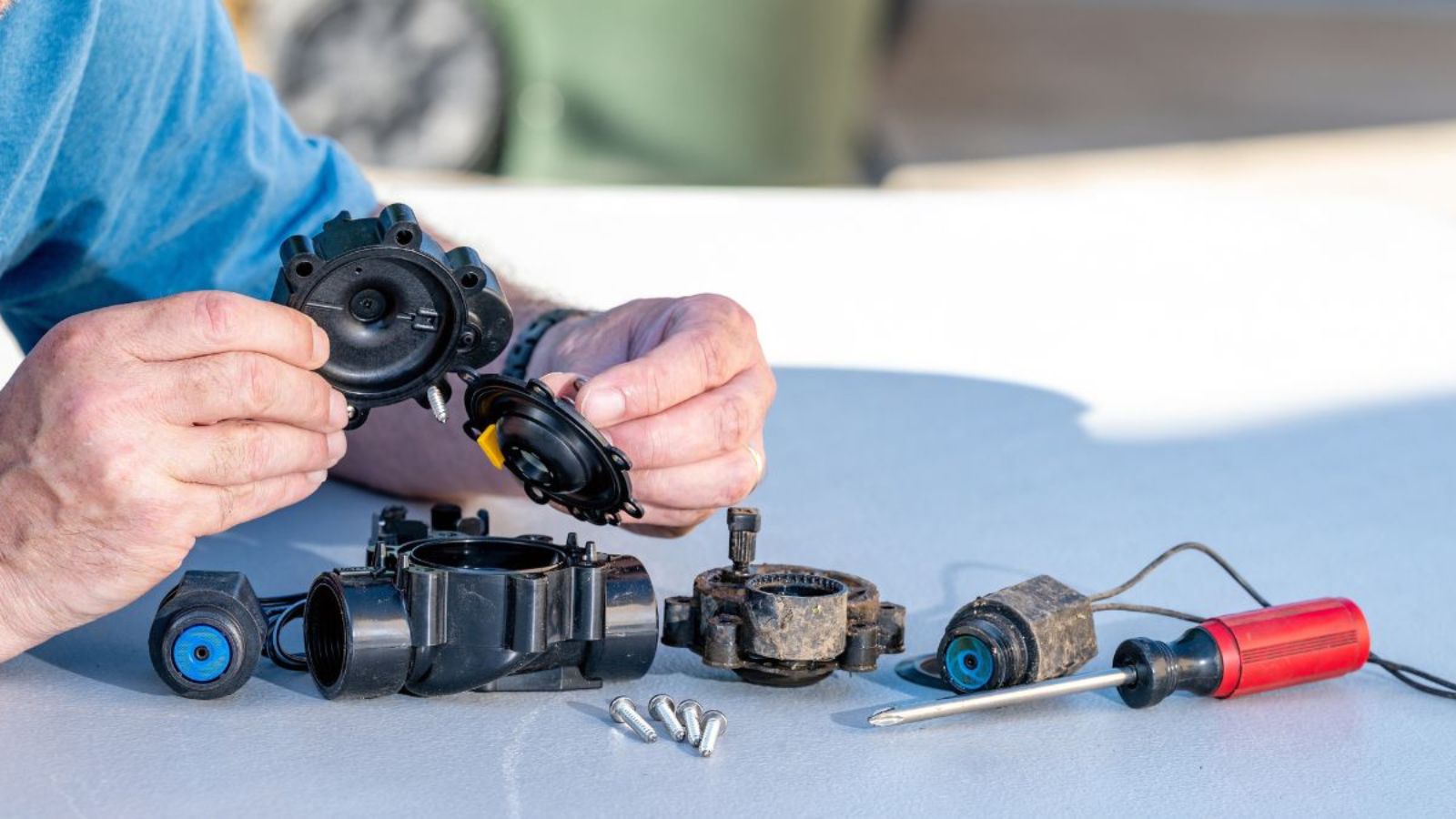
A sprinkler head that leaks after a zone shuts off, a valve that behaves inconsistently, or a zone that does not drain as expected may indicate an issue that should be investigated before shutdown.
| Irrigation condition | Possible concern |
|---|---|
| Head continues leaking | Valve or drainage issue |
| Zone does not clear normally | Water may remain |
| Recently modified zone | Changed flow or drainage |
| Exposed components | Greater freezing exposure |
| Uneven sprinkler performance | Head, nozzle, or pressure problem |
Pay attention to changes that developed during the season. A zone that once operated normally but now has poor coverage, delayed shutoff, or unusual drainage may need attention before the system is closed down.
Documenting these issues before shutdown gives homeowners a practical reference for spring startup. It is especially useful after repairs or modifications, when the current system configuration may differ from the previous season.
Protect the System Before Freezing
A lawn can remain green and continue growing even as temperatures fall enough to make irrigation winterization necessary. The two seasonal needs do not always happen at the same time.
Assess the lawn’s moisture needs first and complete any necessary watering based on current conditions. Then prepare the irrigation system before freezing weather arrives, paying attention to components or zones that may need additional care.
When winterizing sprinklers, the goal is to protect the system from freeze-related damage while leaving it ready for a smoother startup when the next watering season begins.
Frequently Asked Questions
Does rain replace winterization?
Rain can reduce the lawn’s need for additional watering, but it does not remove water already inside irrigation lines and components. The system still needs to be prepared for freezing conditions.
Do all zones need the same procedure?
Not necessarily. System layouts, valves, piping, and drainage characteristics can differ between zones, so winterization should account for the individual system.
Should repairs be addressed before winterization?
Yes. Reviewing repairs or modifications before shutdown can help identify areas that may require additional attention.
Why does a sprinkler keep leaking?
Persistent leaking can point to a valve or drainage problem rather than normal operation. It is worth investigating before shutdown so the issue does not remain unresolved until spring.
What happens if water remains in the system?
Water left in vulnerable irrigation components can freeze and expand when temperatures drop below freezing. Clearing the system helps reduce the risk of freeze-related damage to lines, valves, and connected components.
Pioneer Underground Lawn Sprinklers | Sprinkler System Repairs and Maintenance Omaha, NE
Contact Pioneer Underground Lawn Sprinklers to schedule a free estimate on a system install or to find out what you can do to make your existing system more efficient. We welcome commercial and residential clients. And remember, whether you need our services now… or later in the season, Your Healthy Lawn is Our Passion, and we are only a phone call away.