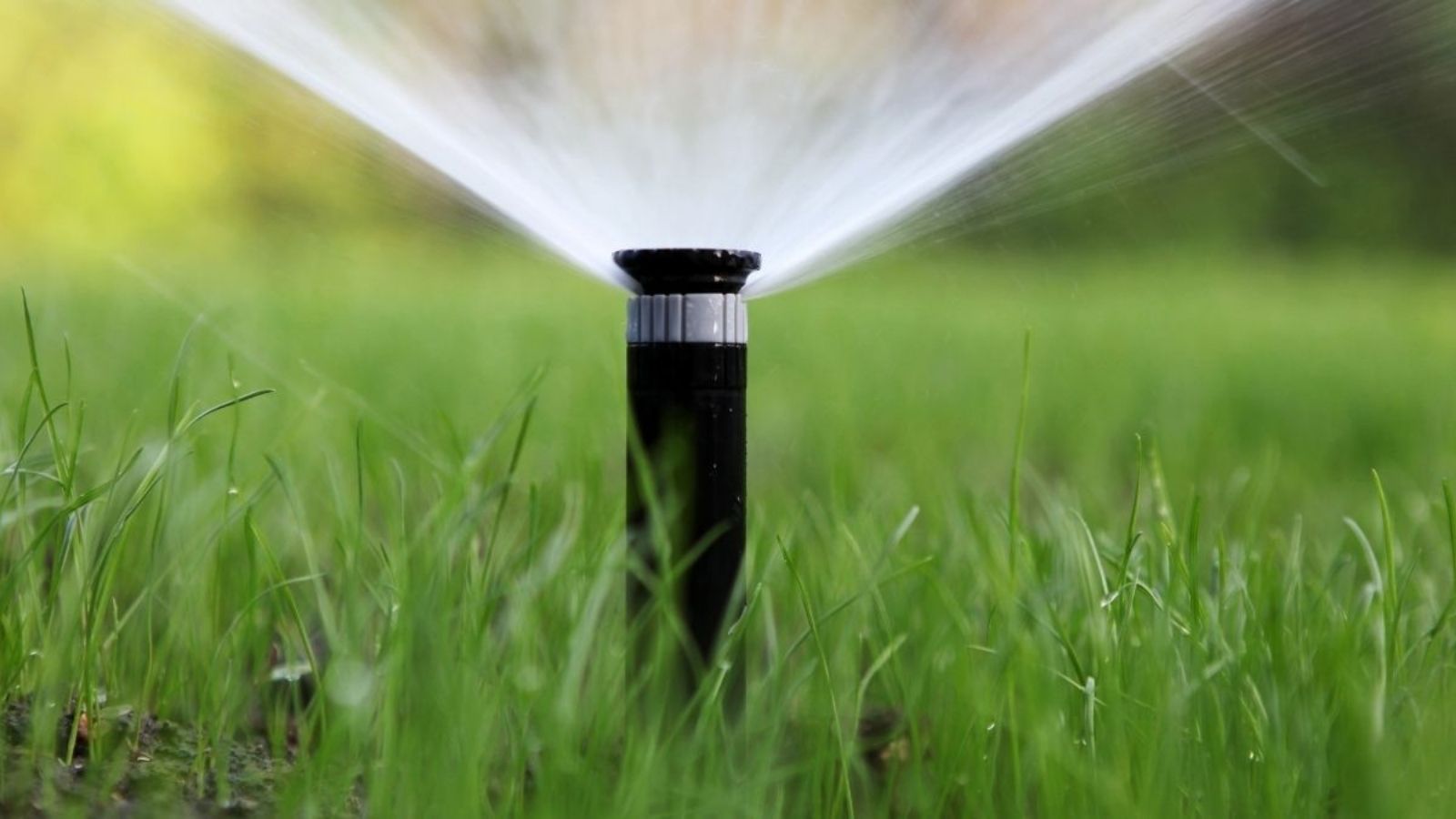
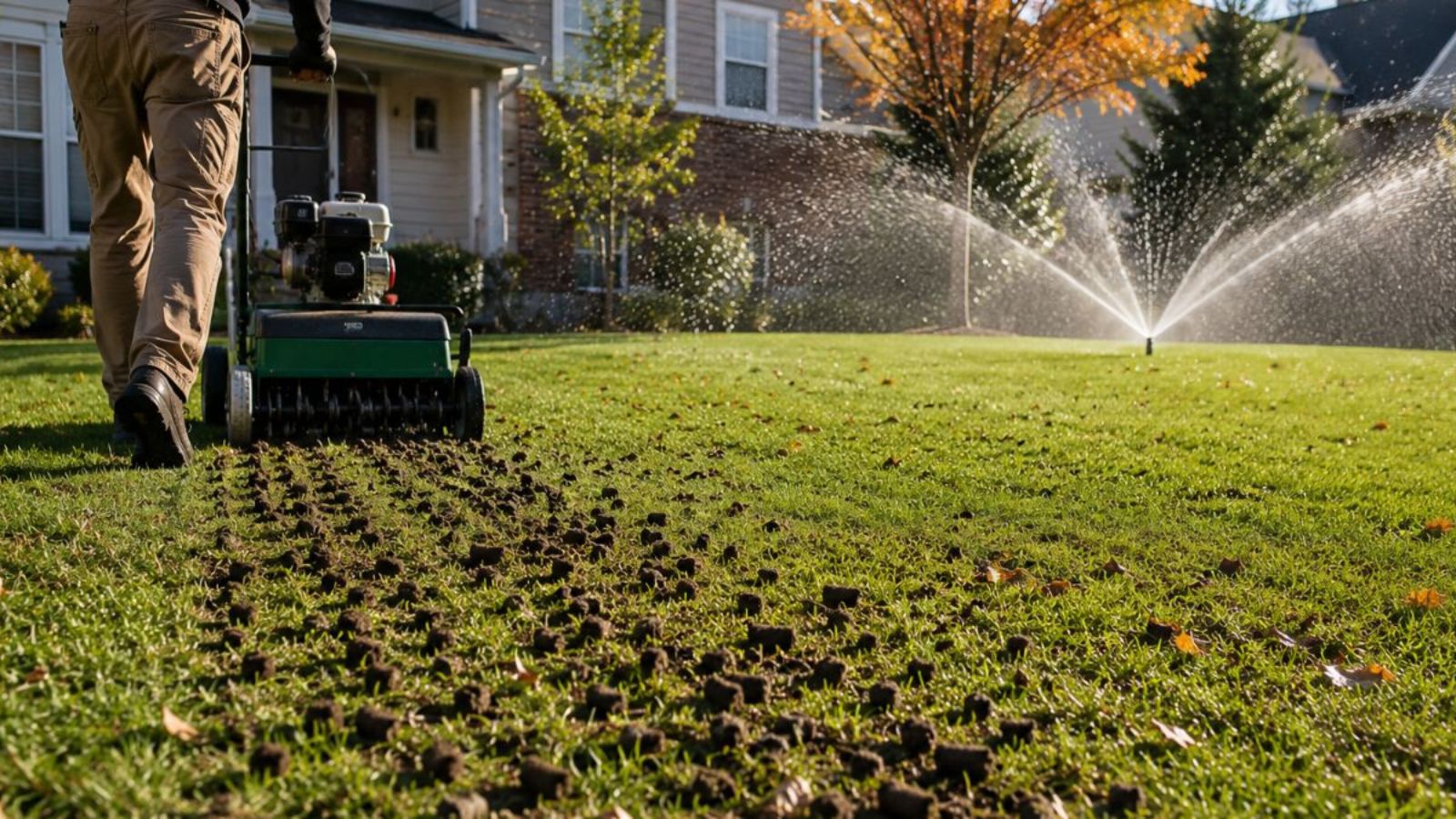
Scheduling a sprinkler blowout in Omaha before the first hard freeze helps protect your irrigation system from winter damage. Water left in pipes, valves, sprinkler heads, and other components can freeze and expand, potentially causing cracks and leaks.
Waiting until freezing weather arrives can also make it harder to secure an appointment during the busy winterization season. Planning gives you time to prepare your system and address existing problems before temperatures drop.
The Risks of Waiting for Omaha’s First Hard Freeze
Omaha’s fall weather can shift quickly, making it difficult to predict when freezing conditions will arrive. If winterization is delayed, homeowners may have little time to resolve existing leaks or damaged components before temperatures drop.
Seasonal demand can also make last-minute appointments harder to secure. If a technician identifies a problem during the visit, additional inspection or repairs may be necessary before the system is ready for winter. Scheduling ahead gives you more flexibility to plan the work.
How Freezing Water Damages Irrigation Systems
Turning off the sprinkler controller does not winterize an irrigation system. Water can remain inside pipes, valves, sprinkler heads, and other components even after scheduled watering stops.
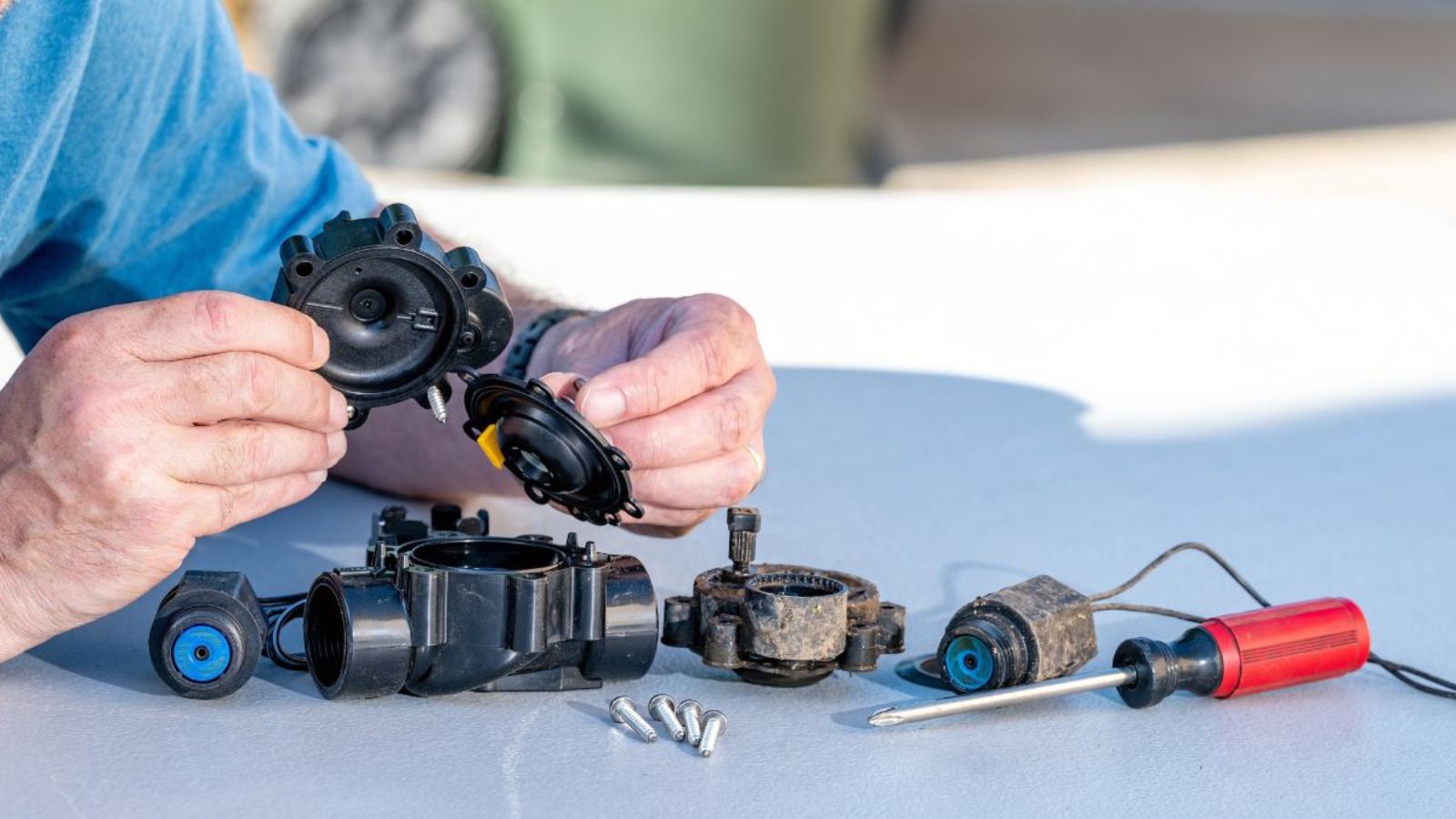
When trapped water freezes, it expands and can crack pipes, damage valves, and compromise backflow assemblies. These problems may lead to leaks or poor sprinkler performance when the system is restarted in spring.
|
Irrigation component |
Potential freezing concern |
|---|---|
| Underground pipes | Cracks and hidden leaks |
| Sprinkler heads | Damage to heads or connected fittings |
| Valves | Cracked housings or internal damage |
| Backflow assembly | Damage to water-filled passages or fittings |
| Exposed plumbing | Increased exposure to freezing temperatures |
Some backflow prevention assemblies have above-ground components that are particularly exposed to cold weather. The protection required also depends on the system’s layout. Low points can collect water, and certain exposed components may need specific winterization steps.
Even a system that worked reliably throughout the summer may retain water in areas that are difficult to identify during a visual check. A winterization procedure suited to the installation helps reduce the risk of leaving vulnerable components unprotected.
Damage may not become obvious until spring startup. Wet patches, unexpected leaks, and reduced water pressure can indicate a problem, although other faults can cause similar symptoms.
Benefits of Professional Sprinkler Blowouts in Omaha
A professional sprinkler blowout uses compressed air to help remove water from irrigation lines and components before winter. Proper winterization helps protect vulnerable parts from freezing damage.
Professional service offers several advantages:
- System-specific procedures: Technicians account for differences in pipe layouts, elevations, and drainage.
- Appropriate air pressure: Using the right pressure reduces the risk of damaging sprinkler heads, valves, and other components.
- Attention to problem areas: Technicians can identify unusual system configurations or visible issues that may need further inspection.
- Safer equipment use: Proper equipment and handling help reduce the hazards associated with compressed air.
Not every irrigation system can be winterized in the same way. Excessive pressure or unsuitable equipment can damage components, so the procedure should match the system’s design and the equipment manufacturer’s requirements.
Steps to Take Before Your Service Appointment
Homeowners can help prepare for winterization by reviewing the system and sharing relevant information with the service provider.
Before the appointment:
- Identify zones repaired or modified during the season.
- Note sprinkler heads that leak or fail to operate correctly.
- Point out exposed valves and backflow equipment.
- Report recurring leaks or drainage problems.
- Ask whether outdoor faucets and other exposed plumbing need separate winterization.
Before the appointment, locate the irrigation system’s main shutoff and identify any instructions provided by the installer. Let the technician know about zones that retain water, areas with poor drainage, or components that have required repeated repairs.
Keep your system manual or previous service records available for the technician. These details can help them understand the installation and determine whether any areas need closer attention during winterization.
When freezing weather is forecast, contact an irrigation professional promptly to schedule your sprinkler blowout in Omaha. Winterization may still be appropriate after a freeze, but it cannot reverse existing damage. Ask whether the system needs an inspection before the winterization process is completed.
Protect Your Irrigation System Before Temperatures Drop
Waiting for the first hard freeze leaves less time to prepare your irrigation system and address potential problems. Water trapped in pipes, valves, and sprinkler heads can freeze and cause damage that may not become apparent until spring. Planning winterization ahead of the cold weather helps reduce the risk of unexpected repairs and gives you more time to arrange professional service.
Before temperatures fall, check for existing leaks, identify areas that may need attention, and schedule a sprinkler blowout in Omaha with an experienced irrigation professional. Taking these steps early helps prepare your system for winter and makes spring startup easier to manage.
Frequently Asked Questions
Can one night below freezing damage a sprinkler system?
Yes. Damage is possible depending on the temperature, duration, and exposure of water-filled components. The risk varies by system, so no single temperature threshold guarantees that every installation is safe.
Is winterization necessary if the irrigation system has a drain valve?
Possibly. A drain valve may remove some water, but the system’s design determines whether gravity drainage adequately protects all vulnerable components. A professional can assess whether additional winterization is needed.
Does a sprinkler blowout protect outdoor faucets?
No. Outdoor faucets, hose bibs, and other household plumbing may require separate winterization steps. Confirm that these components are protected independently of the irrigation service.
How can homeowners check for winter damage in spring?
Look for visible leaks, damaged sprinkler heads, unusually wet areas, and changes in water pressure before returning the system to regular operation. If a pipe leaks or damage is suspected, turn off the irrigation water supply if safe to do so and arrange an inspection before normal use.
Should homeowners run their sprinklers after a blowout?
No. A completed blowout prepares the irrigation system for winter, so avoid running the sprinklers again until the system is properly checked and reactivated in spring. If watering is needed after winterization, consult your irrigation professional first.
Pioneer Underground Lawn Sprinklers | Sprinkler System Repairs and Maintenance Omaha, NE
Contact Pioneer Underground Lawn Sprinklers to schedule a free estimate on a system install or to find out what you can do to make your existing system more efficient. We welcome commercial and residential clients. And remember, whether you need our services now… or later in the season, Your Healthy Lawn is Our Passion, and we are only a phone call away.